
Beyond the Souks: Discover the Best of Marrakech
The Poshworthy Passport — March Destination of the Month
If Barbados was the reset and St. Lucia was the romance chapter, Marrakech is the plot twist. This is the month we trade turquoise water for terracotta walls, rum punch for mint tea, and quiet luxury for something louder, older, and more sensory than anything else on this year's calendar.
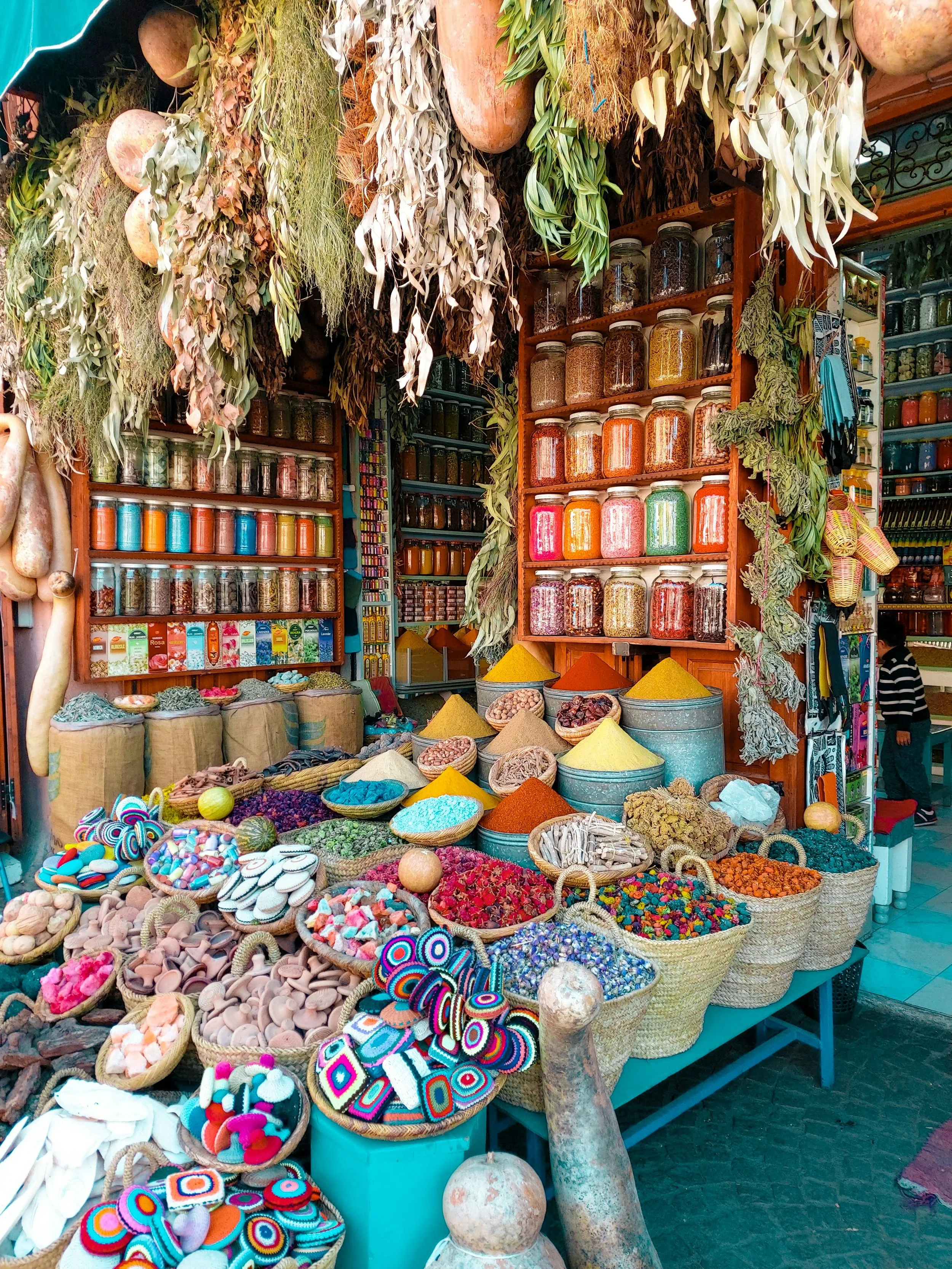
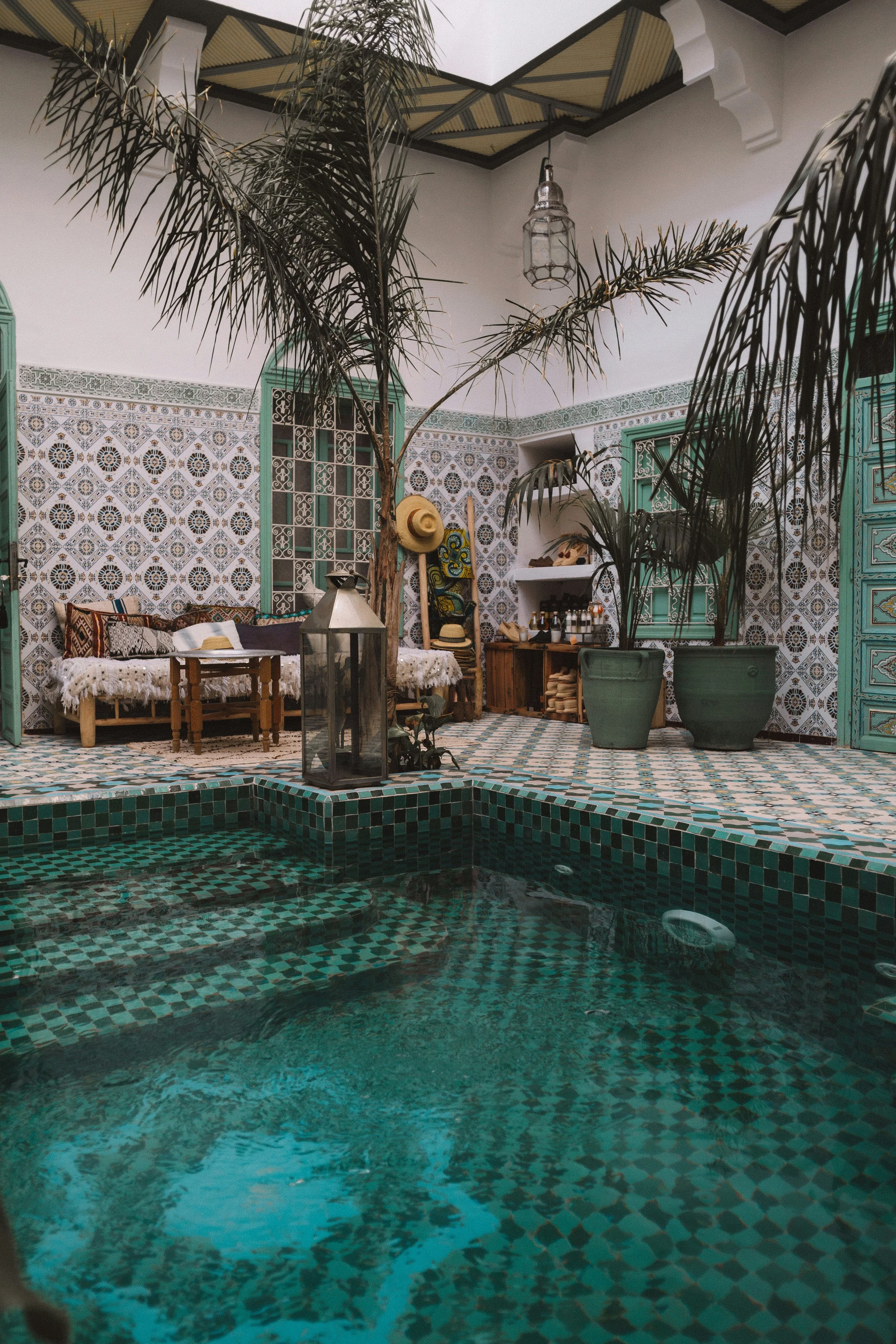
Marrakech doesn't ease you in. It's spice-scented alleys and cobalt-blue gardens, palace hotels behind unmarked cedar doors, a call to prayer echoing over rooftops at sunset, and a version of luxury that has nothing to do with beaches and everything to do with craftsmanship, history, and total sensory immersion. This is the trip for the woman who wants her passport to work a little harder this year.
A quick, important note before we go further: in 2026, Ramadan runs from roughly February 18 through March 20, meaning most of this month falls within it. That doesn't take Marrakech off the table tourist-facing hotels and restaurants operate normally throughout but it does shape the city's daytime rhythm, and it's worth planning around thoughtfully. More on exactly how, below.
Why Marrakech Is a Poshworthy Pick
Marrakech operates on contrast. The medina — the UNESCO-listed old city is a labyrinth of souks, palaces, and hidden riads where the pace is loud, warm, and unmistakably alive. A short drive away, the Palmeraie and the roads toward Gueliz open into palm groves, palatial resorts, and a slower, more contemporary Marrakech. And beyond the city entirely, the Atlas Mountains and the Agafay Desert offer an entirely different register — silence, scale, and some of the best sunsets you'll see all year.
What makes this a Poshworthy pick specifically: Marrakech rewards women who like to be engaged, not just relaxed. You'll bargain in a souk, get lost on purpose, sit through a proper hammam ritual, and eat food that's been perfected over centuries. It's a trip that asks something of you and gives back tenfold.
Who This Trip Is Perfect For
The girls' trip that wants more than a beach — Marrakech is made for a small group: souk days, riad dinners, a shared desert night under the stars.
The milestone celebration with substance — a 40th birthday, a "we did the impossible this year" trip.
The design-obsessed traveler — if you love architecture, textiles, and color theory, this city will consume your camera roll.
The wellness-minded escape — the hammam tradition here is centuries deep, not a spa trend.
The solo traveler wanting a real adventure — with sensible precautions (more below), Marrakech is visited by thousands of solo women every year without incident.
The Essentials at a Glance
Best time to visit: March through May and September through November offer the best conditions — mild temperatures around 22–28°C (72–82°F) and lower rainfall. Avoid July and August, when temperatures regularly exceed 40°C and many riads lack effective air conditioning.
Ramadan 2026: Expected to run from the evening of February 18 through approximately March 20, with Eid al-Fitr following on March 20–21 (exact dates confirmed by moon sighting closer to the time). During Ramadan, many smaller local restaurants close during daylight hours, while hotel restaurants and tourist-facing establishments continue serving throughout the day. Streets are quieter by day and noticeably livelier after sunset (maghrib), when the city breaks its fast and cafés, restaurants, and souks come back to life late into the night. If you want Marrakech at its most vibrant, highest-energy self, the very end of March — right around and after Eid al-Fitr — is the sweet spot within this month. Earlier in March offers a quieter, more contemplative version of the city, with a genuinely moving cultural dimension for travelers who approach it with curiosity and respect.
Getting there: Marrakech Menara Airport (RAK) connects directly to most major European hubs, with onward connections from North America typically routing through Paris, London, or Madrid. Flights from the UK run around 3.5 hours direct; from the US East Coast, plan on 8–10 hours including a connection.
Currency: The Moroccan Dirham (MAD). Cash is preferred in the souks and smaller eateries; major hotels and upscale restaurants accept cards. It's a closed currency — you can't obtain dirhams outside Morocco, so exchange on arrival or withdraw from an airport ATM.
Language: Arabic and French are official; English is increasingly common in tourist areas, especially among younger Marrakchis.
Ideal trip length: Four to six nights in the city, with an optional extra night added for a desert or mountain excursion.
Visa: No visa required for US, UK, and most EU passport holders for stays under 90 days.
The Practical Layer
Getting around: The medina is best explored on foot (cars can't enter most of it). For anywhere outside the old city — Jardin Majorelle, Gueliz, the Palmeraie — taxis are the easiest option. Agree the fare before you get in, as meters aren't always used.
Safety, especially for women traveling solo or in groups: Marrakech is visited by thousands of solo female travelers every year without incident. The most common "harassment" is simply market vendors calling out to draw you into their shop — a firm, friendly "la shukran" ("no thank you") and continuing on is the standard, effective response. Use common sense with valuables in crowded souk areas, and consider a guided tour for your first day to build orientation before navigating independently.
Dress code: Modest dress is appropriate and respectful throughout the city — think loose trousers or midi/maxi skirts and covered shoulders. A hair covering isn't required. Evenings at palace-hotel restaurants (La Mamounia, for instance) call for elegant attire; leave the shorts and flip-flops for the pool.
Etiquette: Bargaining in the souks is expected — start at roughly a third to half the initial asking price and meet in the middle, with good humor. Avoid unlicensed "guides" who offer unsolicited directions and lead you to a relative's shop; if you want a guide, arrange one through your riad. Skip the Jemaa el-Fnaa monkey and snake photo ops — they're both a tourist trap and an animal-welfare concern.
Tipping: 10% is generally appreciated at restaurants where a service charge isn't already included.
