
The St. Lucia Edit: Your Complete Guide to the Island of Love
The Poshworthy Passport — February Destination of the Month
There's a reason St. Lucia has been quietly crowned "the island of love" for decades, and it isn't marketing. It's the Pitons, those two impossible volcanic peaks rising straight out of the Caribbean Sea framing every sunset, every dinner, every quiet moment on a balcony with someone you love. Or, just as often, someone you're finally giving yourself permission to be alone with.
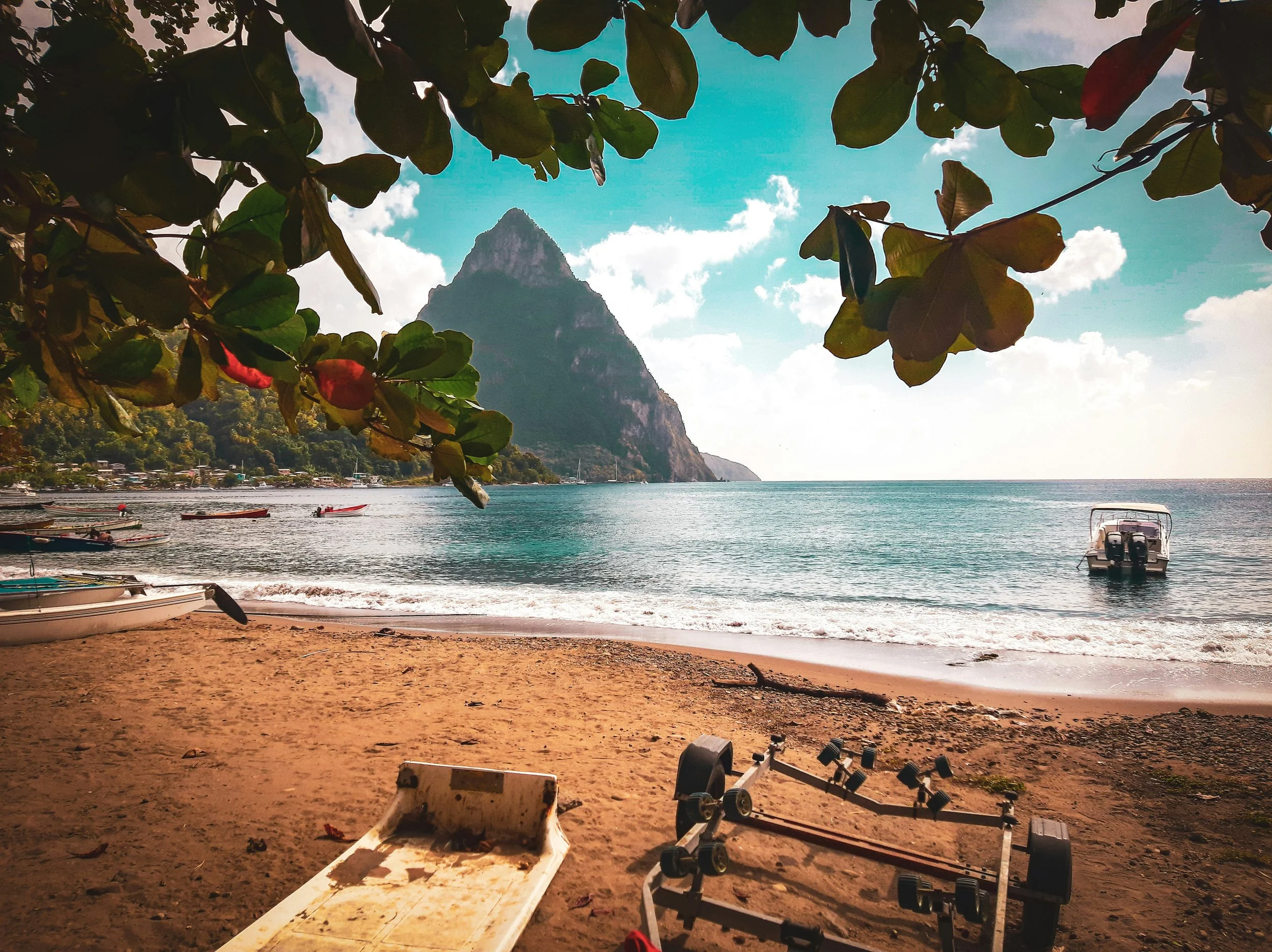
February makes the case for St. Lucia louder than any other month. It's the driest, clearest, most photogenic stretch of the year, it lands directly on Valentine's season, and the island's own Independence Day (February 22) fills Castries with parades, music, and a genuine sense of national pride. If Barbados was our reset, St. Lucia is our romance chapter whether that romance is with a partner, a future spouse, or simply the version of your life you're building.
This is your complete guide.
Why St. Lucia Is a Poshworthy Pick
St. Lucia is dramatic in the best way. Where Barbados is polished and easy, St. Lucia is lush, volcanic, and a little wild rainforested hills tumbling down to the sea, a coastline anchored by UNESCO World Heritage twin peaks, and a south that feels genuinely undiscovered compared to the resort-lined north.
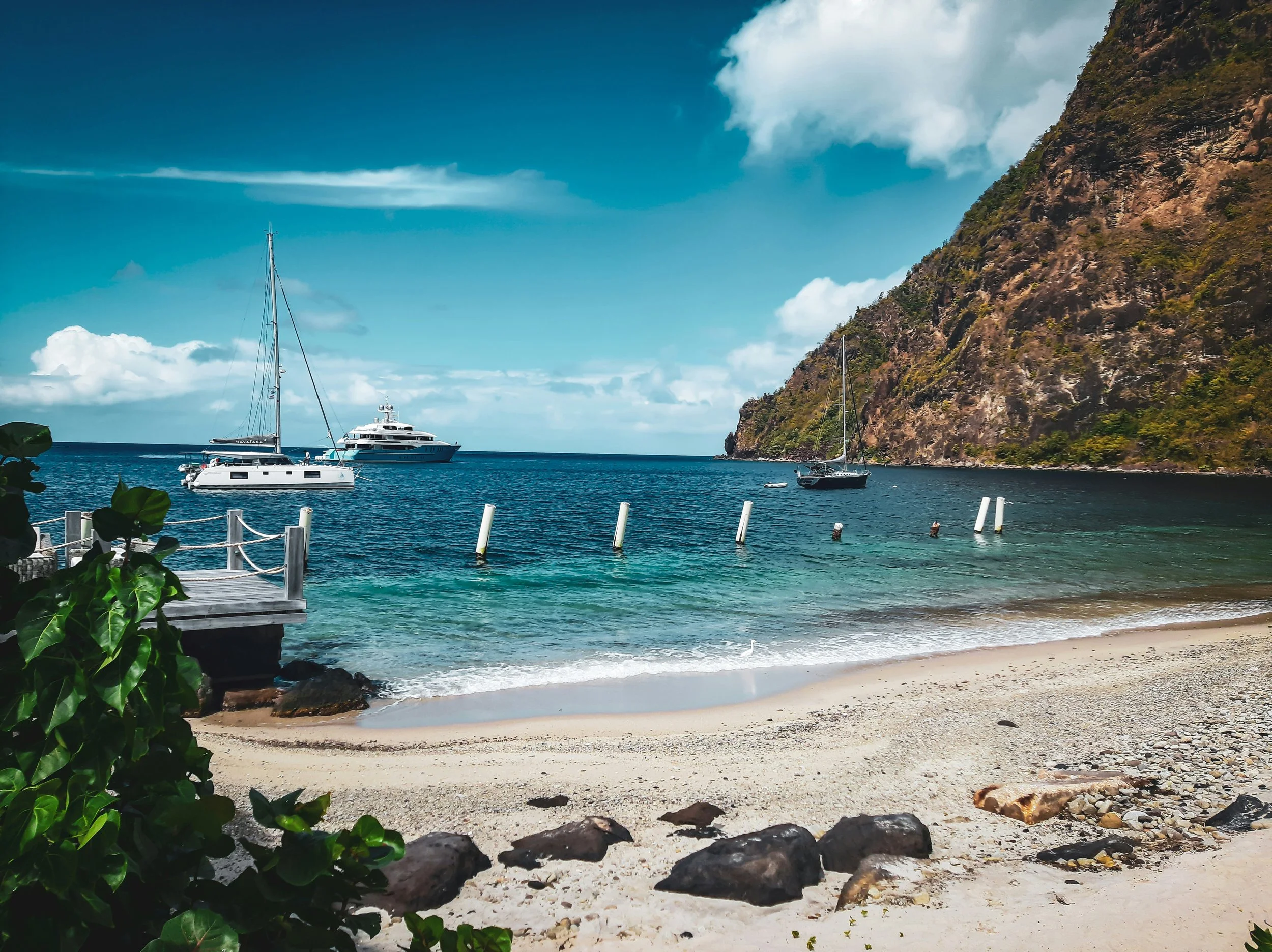
The island splits into two distinct experiences. The north — Rodney Bay, Gros Islet, Cap Estate is where you'll find lively beaches, nightlife, golf, and a wide range of dining. The south — Soufrière and the area around the Pitons is where the postcard moments live: hillside resorts with private plunge pools, sulfur springs, waterfalls, and views that do the heavy lifting for you. Many of the best trips combine both: a few nights of energy in the north, a few nights of stillness in the south.
Who This Trip Is Perfect For
The honeymoon or anniversary trip — St. Lucia's entire hospitality industry is built around romance. This is the gold standard.
The proposal trip — few backdrops on earth do the job like the Pitons at sunset.
The intentional solo reset — hiking, spa culture, and quiet luxury for a woman who wants to hear herself think.
The milestone couples' escape — a five- or ten-year anniversary, a "we survived the hardest year of our lives" trip.
The adventurous best-friend duo — less girls'-trip-party, more girls'-trip-hike-a-volcano-then-get-a-massage.
The Essentials at a Glance
Best month to visit: December through April is high season and the driest stretch. February specifically is one of the driest, clearest months of the year, ideal for hiking and photography and it carries the added pull of Valentine's Day and Independence Day (February 22, observed February 23 in 2026) with the Annou Wè-y parade lighting up Castries.
February weather: Daytime highs around 82°F (28°C), mornings a cool, crisp 73°F, minimal rainfall, calm seas (1–2m swells), and warm 81°F water with excellent visibility for snorkeling and diving.
Getting there: St. Lucia has two airports — Hewanorra International (UVF) in the south, where most international flights land, and the smaller George F.L. Charles Airport (SLU) near Castries in the north, mainly for regional hops. If your resort is in the south (Soufrière), Hewanorra is a short transfer; if you're headed north (Rodney Bay), plan on roughly 90 minutes by road, or look into the scenic transfer-by-helicopter option many luxury resorts offer. From New York, flights run around 4.5–5 hours. From Toronto, closer to 5.5. From London, about 9 hours direct with British Airways.
Currency: The Eastern Caribbean Dollar (XCD), though US dollars are widely accepted at hotels and tourist-facing businesses. Cards work almost everywhere in resorts and restaurants.
Driving: They drive on the left, a British colonial legacy same as Barbados.
Ideal trip length: Five to seven nights. If you're splitting north and south, aim for seven so neither half feels rushed.
Where to Stay, By Region
Soufrière & The Pitons (For the Postcard)
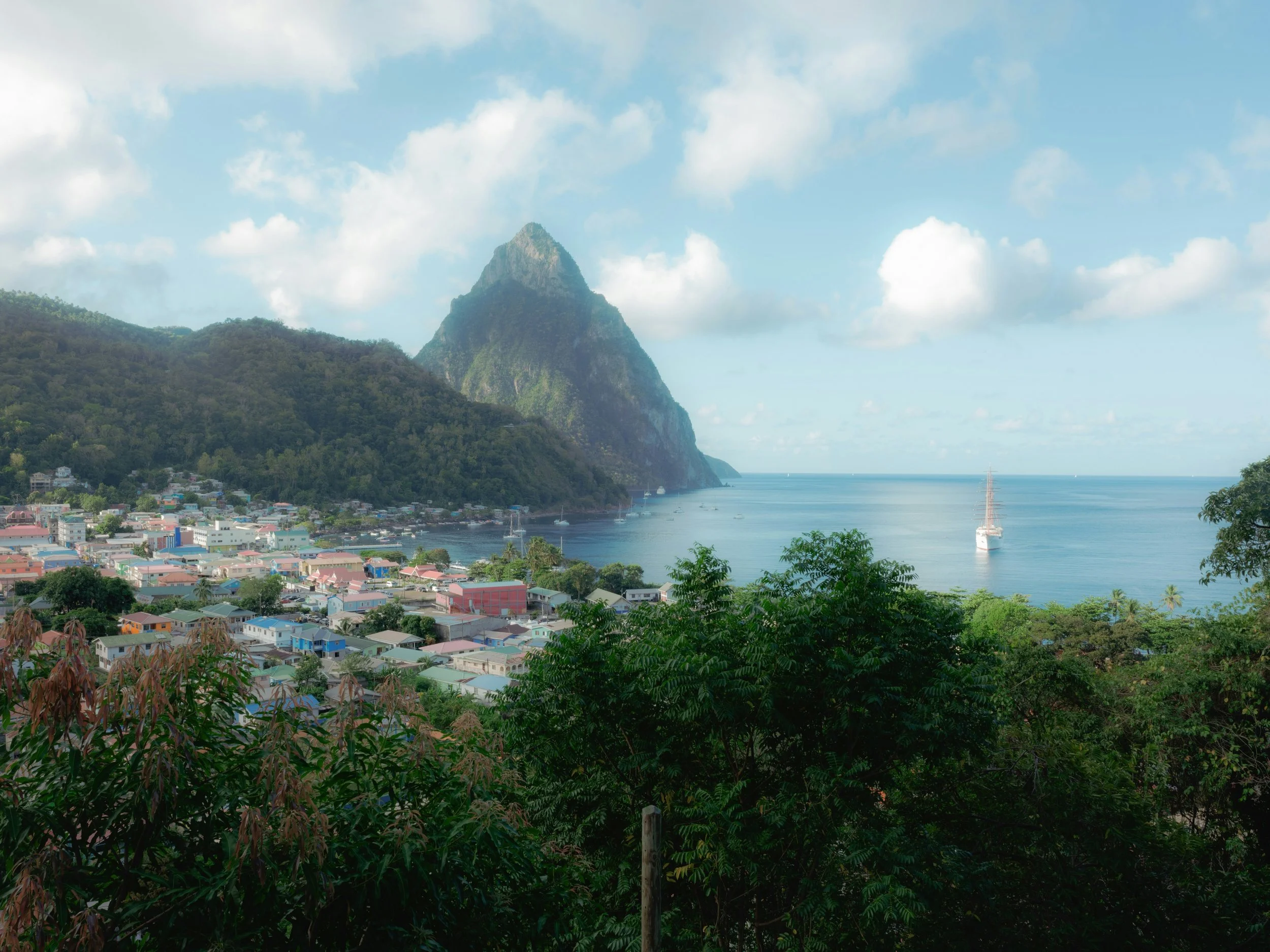
This is where St. Lucia becomes the St. Lucia of every magazine spread you've ever seen. Sugar Beach, A Viceroy Resort sits directly between the two Pitons on its own white-sand beach — the single most photographed pool view in the Caribbean, arguably. Jade Mountain, its more adults-only, architecturally daring sister property, puts every "sanctuary" on an open-air bridge with a private infinity pool and zero fourth wall facing the peaks. Anse Chastanet, the beachfront original, offers the same jungle-meets-ocean magic at a slightly gentler price point. And Ladera — perched directly on the ridge between the Pitons, rooms with no fourth wall at all — is the most theatrical, adults-only, once-in-a-lifetime option on the island.
Cap Estate & The North (For Boutique Romance)
Cap Maison is the north's boutique standout: cliffside villas above Smugglers Cove, a spa with an ocean-view hot tub, and The Cliff at Cap one of the island's best restaurants — right on property.
Marigot Bay (For the Yacht-Club Fantasy)
A famously beautiful natural harbor once used as a film backdrop (Dr. Doolittle, among others). Zoëtry Marigot Bay offers an intimate, all-inclusive, adults-leaning hideaway without the party crowd, ideal for couples who want polish without noise.
Rodney Bay & Gros Islet (For Range & Nightlife)
Sandals Grande St. Lucian anchors the north's couples-resort category, with overwater bungalows and a mile of beach. Coconut Bay Beach Resort is the family-friendly all-inclusive pick if you're planning a multi-gen trip. This area also gives you the most restaurant and nightlife variety on the island.
Poshworthy planning note: February is peak season and half-term season for UK travelers book four to six months out for the marquee properties, and reserve your fine-dining tables (especially Dasheene and The Cliff at Cap) weeks in advance.
The Practical Layer
Getting around: A private driver or resort transfers are the easiest way to manage the island's winding, hilly roads especially between the north and Soufrière. Renting a car is possible (you'll need a temporary local permit) but the roads demand confidence. Water taxis are a fun, efficient way to move along the coast near Soufrière and Marigot Bay.
Safety: St. Lucia is generally safe and welcoming for travelers, with the usual common-sense precautions around valuables and late-night solo walks, particularly in Castries. Hiking Gros Piton requires a licensed guide by law — this isn't optional, and it's for genuinely good reason given the terrain.
Etiquette: A warm greeting before getting into any conversation with vendors, staff, taxi drivers goes a long way, echoing the same pleasantries-first culture found across the Eastern Caribbean. Smart casual is the norm at the island's better restaurants (think linen, not beachwear).
Packing note: Bring closed-toe hiking shoes with grip for the volcanic trails, a light layer for boat trips (trade winds create real wind chill on the water), reef-safe sunscreen, and insect repellent for rainforest excursions and evening beach walks.
