The Style Archive · Wardrobe Foundations
Some pieces complete an outfit. Others change its entire attitude.
The blazer does both.
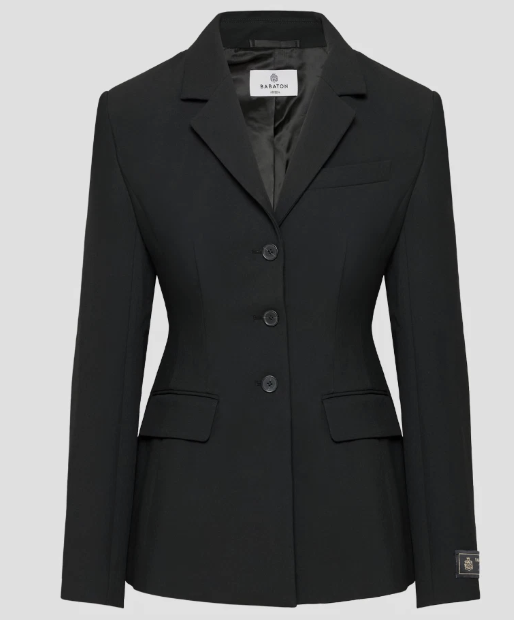
Thrown over a simple tee, it makes casual look considered. Paired with denim, it strikes that sweet spot between relaxed and polished. Worn oversized, it borrows from menswear. Cut with intention, it can feel sharp, sculptural, and unapologetically feminine.
It's a wardrobe staple, yes. But the right blazer is anything but basic.
So what makes a great blazer? And why do we love the ones that look like we borrowed them from someone else?
A Brief History of the Blazer
The blazer's exact origins are debated, but its history is closely tied to nineteenth-century rowing, sporting, and club dress. Distinctive colours and buttons helped identify membership before the jacket evolved into a wider wardrobe staple. [1]
By the 1980s, the tailored jacket had taken on a new role in women's wardrobes. Power dressing brought strong shoulders, structured silhouettes, and the visual language of traditional menswear into professional fashion. [2]
Then came the '90s, when oversized tailoring and more relaxed styling offered a different kind of polish. The blazer could feel less like corporate armour and more like something casually claimed from another wardrobe. [3]
Different decades. Different attitudes. One remarkably adaptable piece.
The Appeal of the Borrowed Blazer
Why does an oversized men's blazer look so good on a woman?
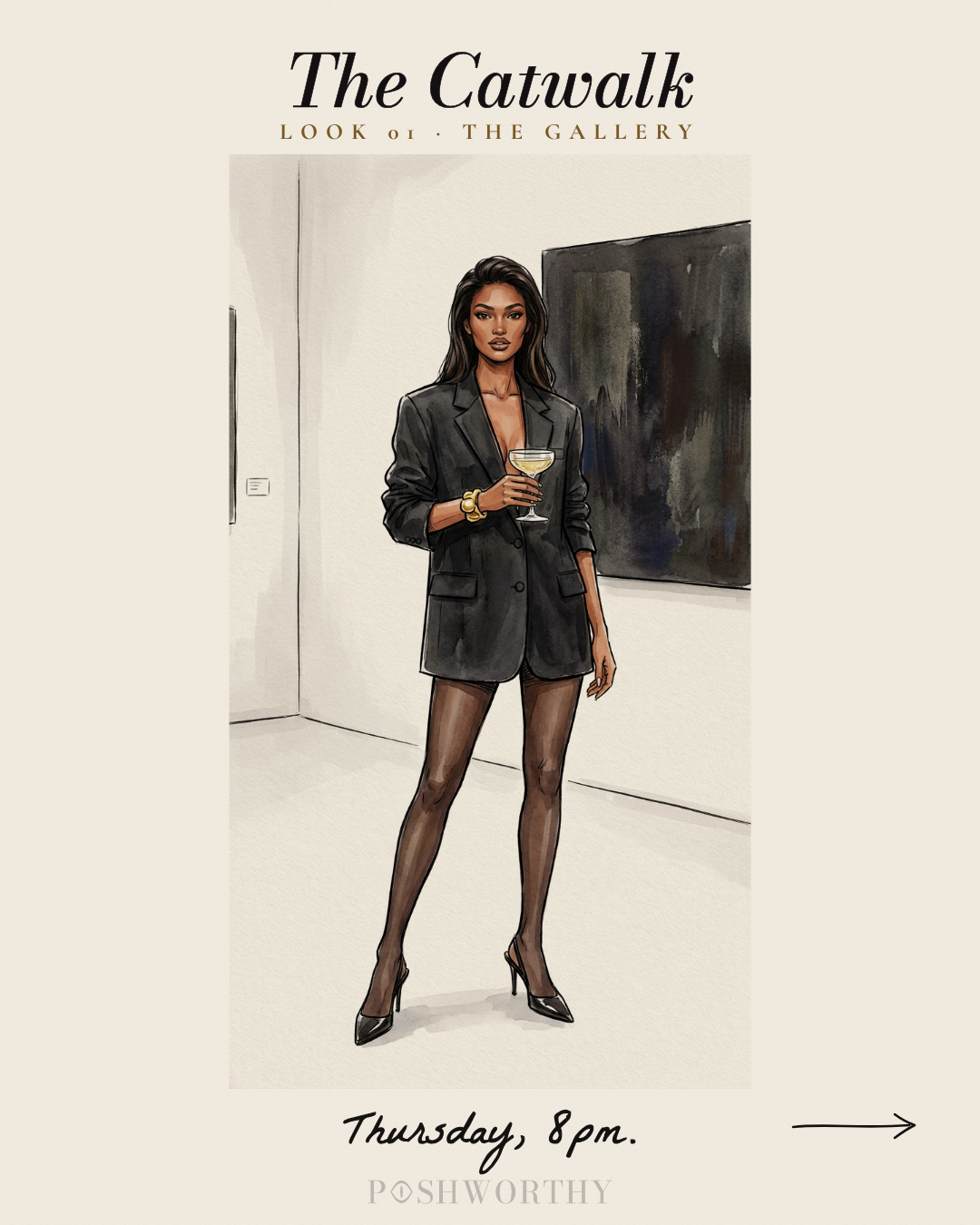
Part of the appeal is contrast. Broader shoulders, a relaxed body, a longer line. The structure of the jacket against a fitted top or a fluid skirt. That effortless tension between masculine tailoring and feminine styling.
But let's be clear: oversized doesn't automatically mean well-designed, and a men's label doesn't guarantee a better fit.
It's about proportion. The right shoulder, the right length, the right amount of room. A jacket that holds its shape without swallowing yours.
Personally, I love a blazer with presence. Something that looks considered without looking overworked.
And sometimes, the best styling trick isn't adding more. It's getting the proportions right.
The Details That Make the Difference
A blazer's personality often lives in the details.
The shoulders: Sharp and structured can feel commanding. Soft and dropped can feel relaxed. A little exaggeration can change the entire silhouette.
The lapels: Wide and dramatic or narrow and understated? Peak or notch? A small change can shift the mood from statement-making to quietly classic.
The buttons: Traditional, tonal, metallic, unexpected. Never underestimate what a button can do.
The cut: Cropped, oversized, longline, defined at the waist. The silhouette determines how the blazer works with the rest of your wardrobe.
The fabric: Wool brings structure. Linen feels lighter. Velvet, satin, and jacquard introduce a different kind of drama.
None of these choices exists in isolation. A strong shoulder feels different in soft velvet than it does in crisp tailoring. A dramatic lapel changes character depending on the length and shape of the jacket.
The magic isn't just in the details. It's in how they work together.
What Makes a Blazer Worth Keeping?
For me, a great blazer needs to do more than look beautiful on a hanger.
It should work with pieces I already own, feel good to wear, and make getting dressed easier. The fit should be intentional. The construction should support the silhouette. And there should be something about it that makes me want to reach for it again.
I want personality, too.
That doesn't mean embellishments for the sake of embellishments. Sometimes it's the curve of a lapel, the placement of a button, an unexpected fabric, or a shoulder that gives a familiar shape a little more attitude.
The best pieces don't have to shout to be memorable.
The POSHWORTHY Perspective
As I explore the pieces that might eventually shape the POSHWORTHY wardrobe, the blazer keeps coming back to mind.
I'm drawn to the tension between structure and ease, masculine tailoring and feminine expression, the familiar and the unexpected.
What would it look like to combine the presence of a beautifully structured blazer with details that feel softer, more romantic, or just a little unconventional?
Not different for the sake of being different. Not another basic with a new label.
A familiar piece, reconsidered.
That's what interests me about design: understanding why something works, deciding what deserves to stay, and exploring what could make it feel entirely new.
Because a wardrobe staple shouldn't have to be predictable.
Your Take
What's your non-negotiable in a great blazer: the shoulders, the fit, the fabric, or the details?
And be honest. Are we borrowing from the boys, or is it time for a blazer that gives us everything we're looking for?
From the Style Archive, with an eye on what comes next. 🥀
Sources
[1] Blazer origins: Vogue India — The History of the Blazer
[2] Power dressing: New-York Historical Society — Power Dressing
[3] The 1990s fashion landscape: Museum at FIT — Reinvention & Restlessness: Fashion in the Nineties
XOXO,