
Hidden Gems, Local Food & Excursions in St. Lucia
The resorts get the headlines, but St. Lucia's soul lives in its smaller corners the fish fry towns, the volcanic mud, the cacao plantations, the trails most visitors never take.
The Friday Night You Shouldn't Skip
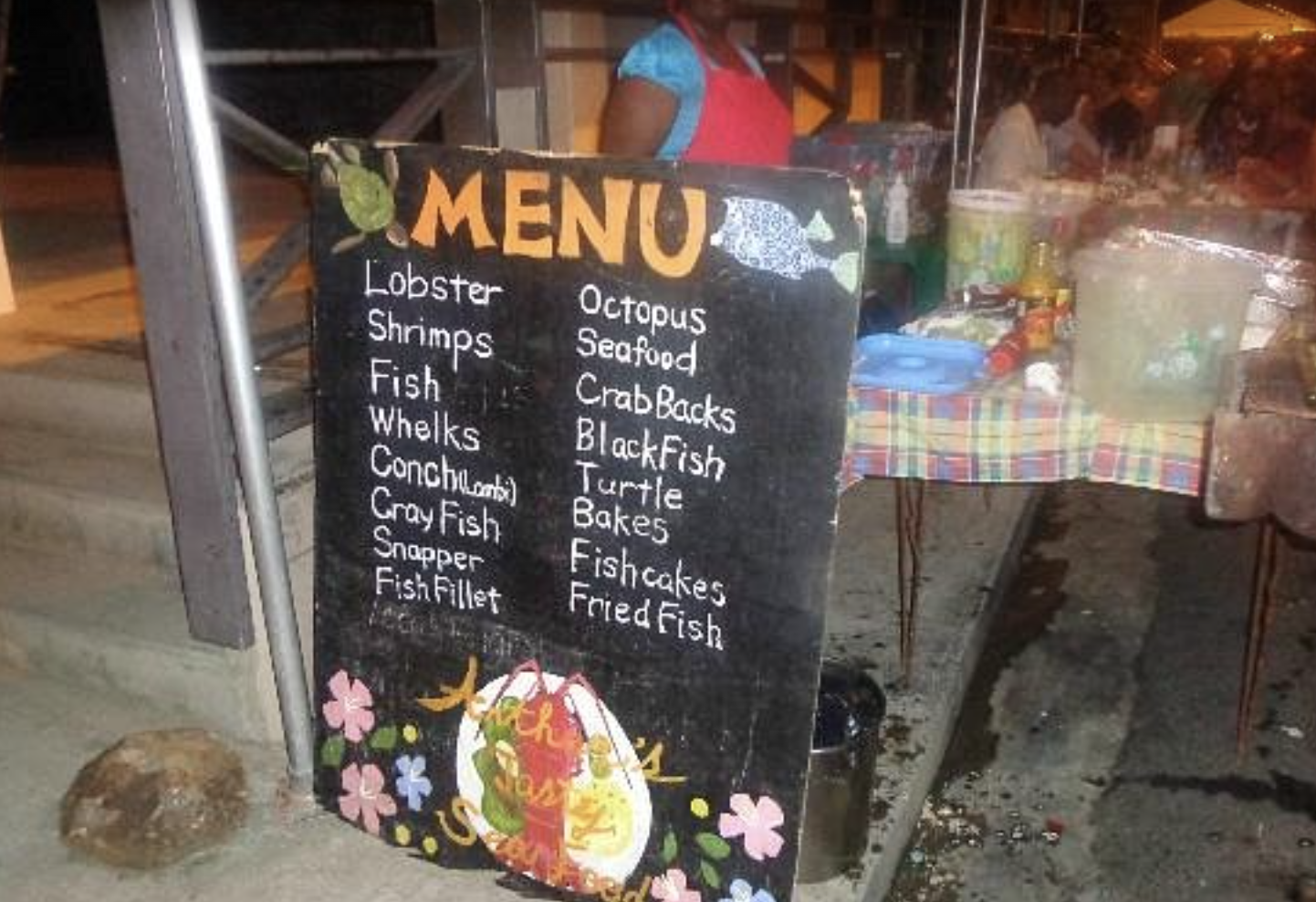
Anse La Raye's Fish Fry (with Gros Islet running its own version) is St. Lucia's answer to a genuine local street party, grilled fresh catch straight off the coal pot, soca and reggae in the background, and a crowd that's as much local as visitor. Cheap, joyful, and one of the best nights you can have on the island.
The "Drive-In Volcano"
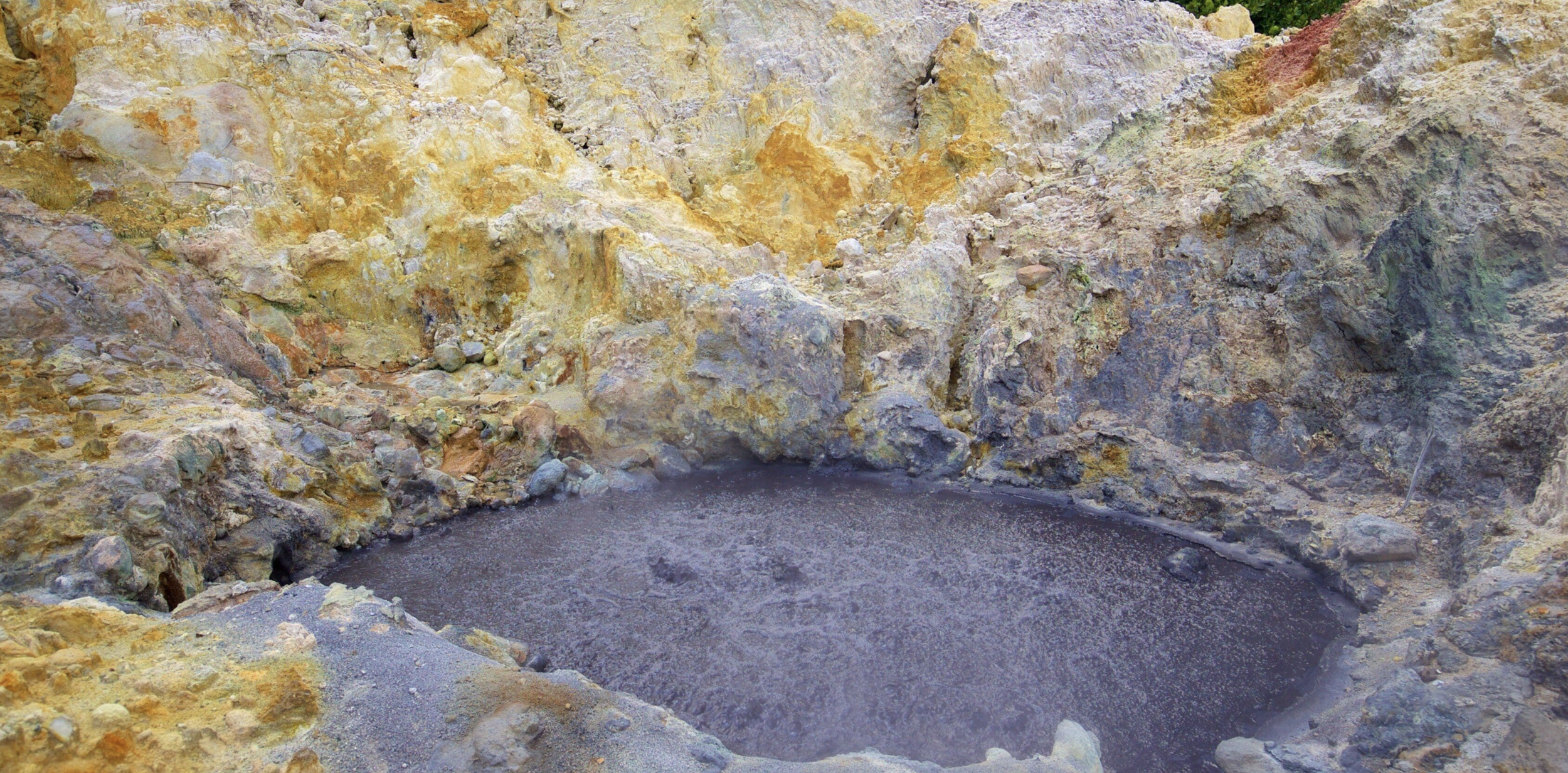
Sulphur Springs Park in Soufrière is billed as the only drive-in volcano in the world, you can walk right up to bubbling mud pools and hot springs, then soak in the therapeutic mud baths. February's low humidity makes this significantly more pleasant than a summer visit.
The Trail With the Best Payoff for the Effort
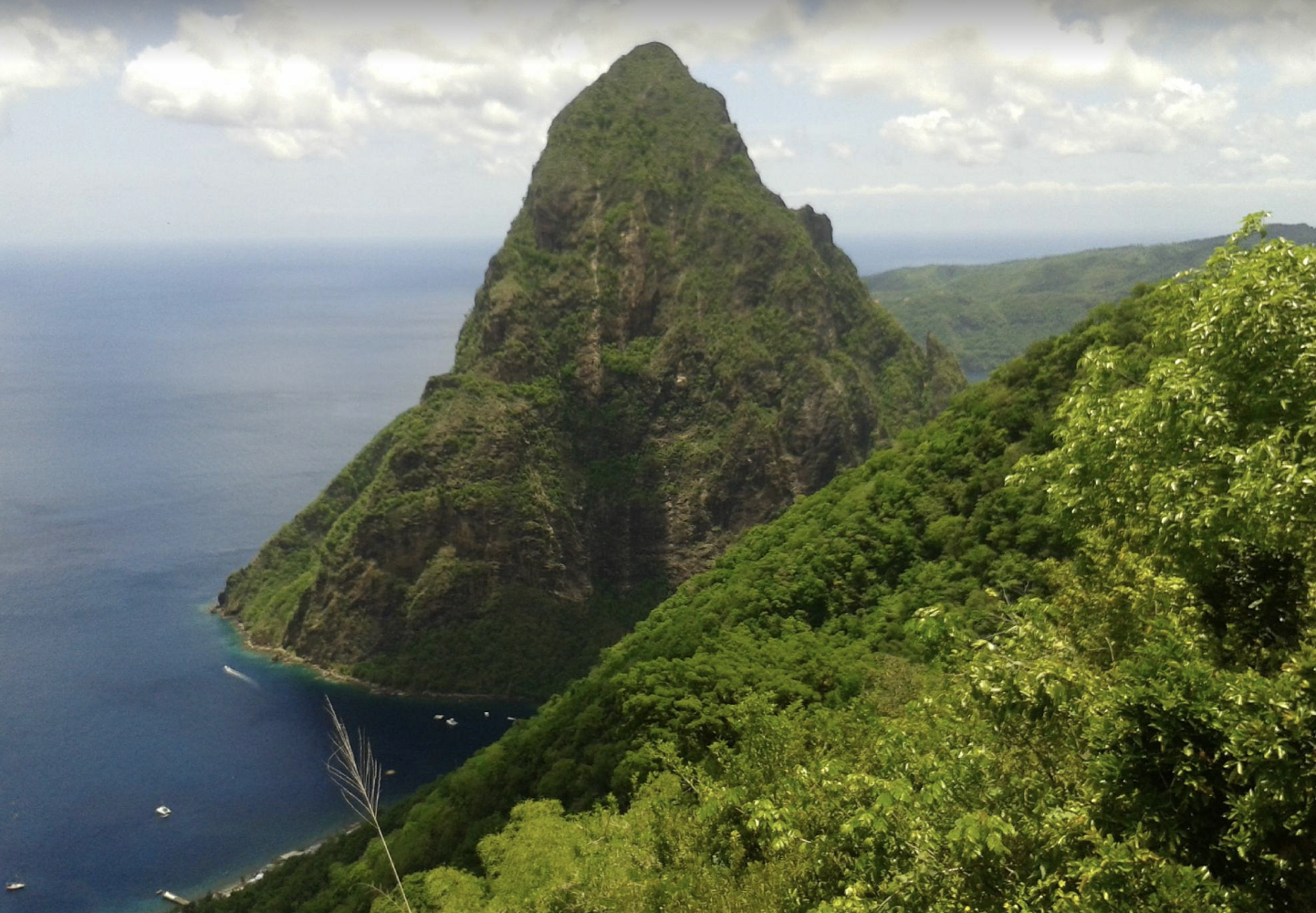
Tet Paul Nature Trail is a shorter, easier alternative to the full Gros Piton climb, delivering some of the most photographed Piton views on the island without requiring the same fitness level or the mandatory guide fee structure of the full hike. A genuinely underrated half-day.
The Chocolate Estate
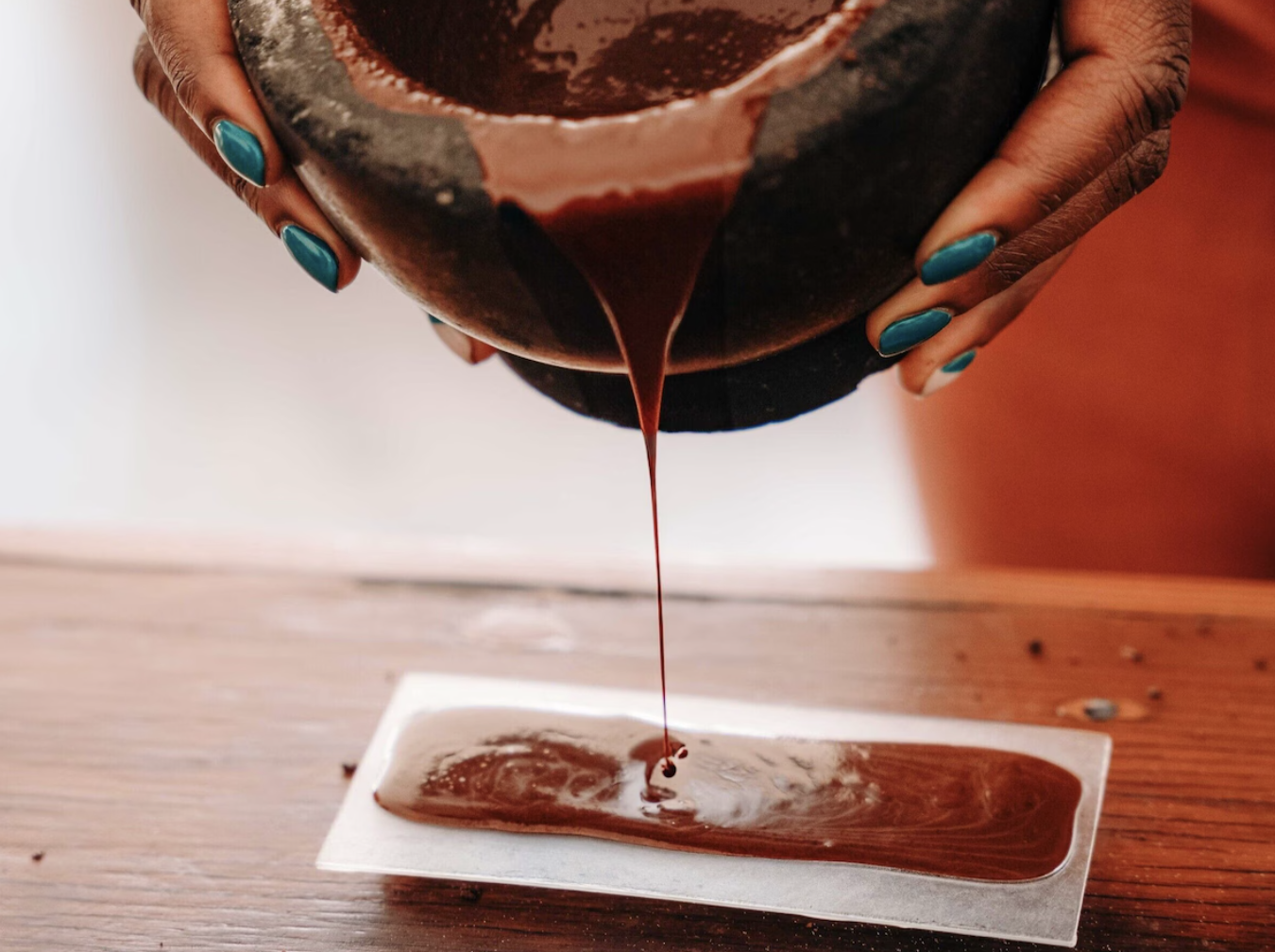
Rabot Estate, home of Hotel Chocolat's St. Lucia outpost, offers a working cacao plantation tour and a Tree-to-Bar experience where you pick, roast, and make your own chocolate. Pair it with lunch at Rabot Restaurant, where cacao threads through nearly every course savory included.
The Marina Everyone Photographs
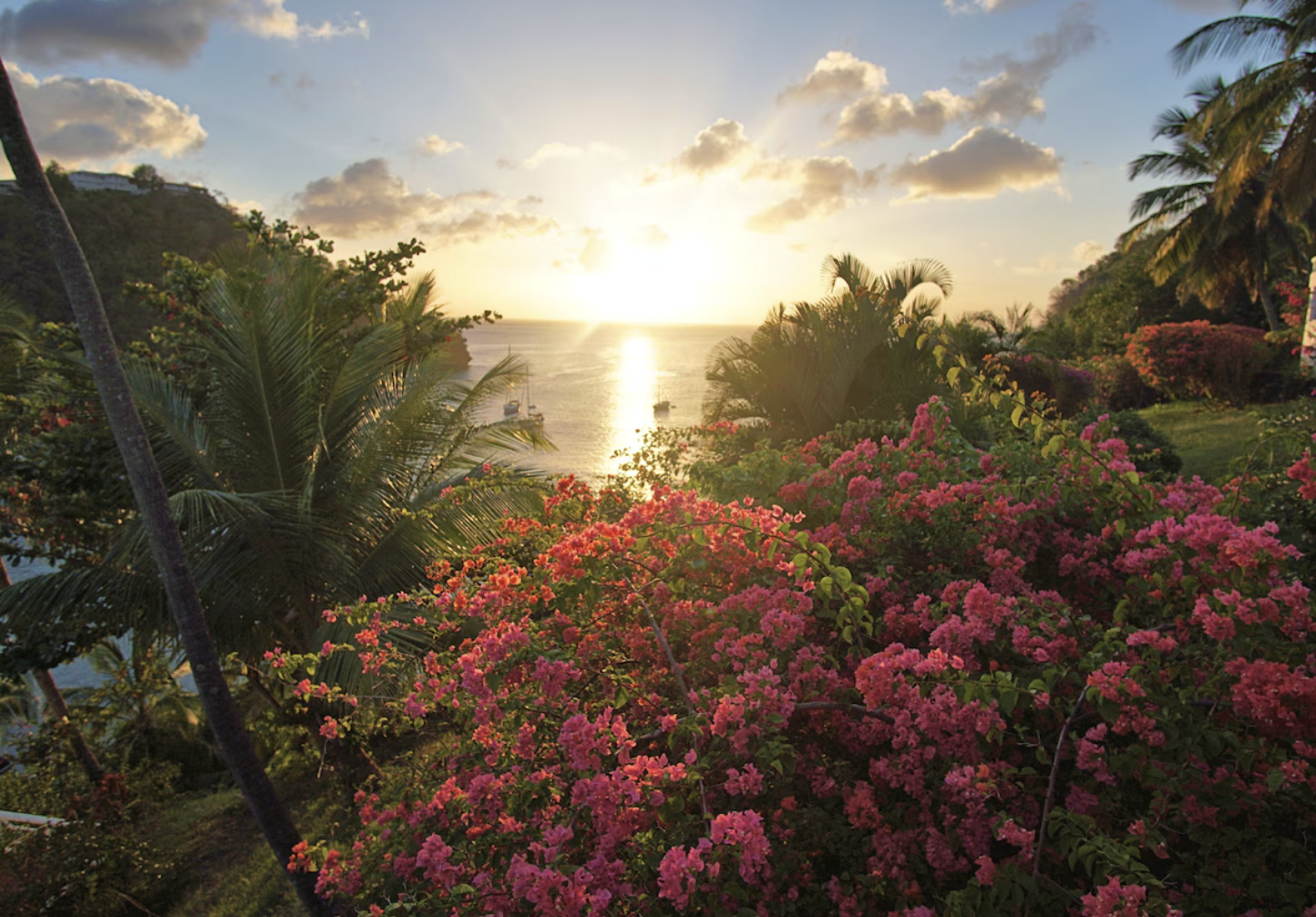
Marigot Bay — used as a filming backdrop for Dr. Doolittle, among others is worth a visit even if you're not staying there. A waterside lunch and a wander around the yacht-lined harbor is one of the simplest, prettiest afternoons on the island.
The Underrated Beach
Anse Chastanet Beach offers a quieter, more textured alternative to Reduit Beach in the north, soft sand, vibrant coral reef just offshore, and a genuinely excellent scuba/snorkel center for anyone who wants to go beneath the surface.
The Market Morning
Local markets (Soufrière and Castries both have good ones) run their best hours from 6–9am, when the golden apples, soursop, and breadfruit that define February's local produce season are freshest and before the tourist crowds and afternoon heat arrive.
The Small-Batch Rum & Cacao Combo
Several operators run guided half-day combinations pairing a rum distillery tasting with a cacao/chocolate experience, a smart way to cover two of the island's signature flavors in one afternoon, particularly useful if your trip is shorter than a week.
Practical Notes for the Exploring Days
Local route taxis run between towns for a few Eastern Caribbean dollars but don't operate on Sundays… plan around that or arrange a private driver if you're exploring on a Sunday. Book Gros Piton guides and any weather-dependent tours (sunset cruises, snorkeling) 1–2 weeks ahead during February's peak season.
Where to Eat & Drink
Dasheene at Ladera — open-sided dining literally suspended between the Pitons, which "lean over your shoulder" as you eat. Locally sourced, classically St. Lucian, and considered one of the best restaurants on the island. Ask for the veranda corner table the most romantic seat in the house and inquire about the special honeymoon menu.
The Cliff at Cap — French-Caribbean fusion on a clifftop above Smugglers Cove, from an award-winning island chef. Reserve weeks ahead in peak season.
Rabot Restaurant & The Cacao Bar — set inside a working cacao estate (Hotel Chocolat's Rabot Estate), with a menu built entirely around cacao — savory, not just sweet. Pair dinner with a Tree-to-Bar chocolate-making experience.
Boucan — Hotel Chocolat's other cacao-driven restaurant, with hillside views of Petit Piton and playful chocolate-infused dishes throughout the menu.
The Coal Pot — a Castries institution on Vigie Marina, French-Creole, family-run, famous for its seafood platter and St. Lucian crab back.
Orlando's — a smaller, chef-driven spot from a former Dasheene chef, known for fixed tasting menus and inventive island dishes.
What to Actually Order
St. Lucia's national dish is green fig and saltfish — green bananas cooked with salted cod and local herbs. Beyond that: callaloo soup, bouyon stew, fresh grilled snapper or mahi-mahi, and accras (saltfish fritters) from market stalls. To drink: Piton beer (the island's own) and a proper rum punch made with Bounty rum.
Beyond Dinner: What to Actually Do
The Pitons, by boat. A sunset cruise or catamaran sail past Gros Piton and Petit Piton is the single most iconic St. Lucia experience and arguably better than any land-based viewpoint.
Sulphur Springs — "the Caribbean's only drive-in volcano," where you can walk among bubbling mud pools and take a therapeutic mud bath.
Gros Piton hike — a roughly 2.5-hour ascent to 2,618 feet with a certified guide (required), rewarded with sweeping Caribbean views. February's cooler mornings and low rain probability make it the best month on the calendar for this.
Tet Paul Nature Trail — a shorter, easier hike with some of the most photographed Piton views on the island — ideal if a full Gros Piton summit isn't the vibe.
Marigot Bay — even if you're not staying there, a waterside lunch here is a must.
Pigeon Island National Park — 18th-century military ruins, walking trails, and a beach, all in one.
Toraille Waterfall and the island's rainforest canopy tours / ziplines for a more adventurous day.
