
Japan Bucket List: The Best Food, Hidden Gems & Experiences
Beyond the marquee sakura spots and Michelin counters, Japan rewards travelers willing to move a little further from the obvious.
The Neighborhood That Feels Like a Secret
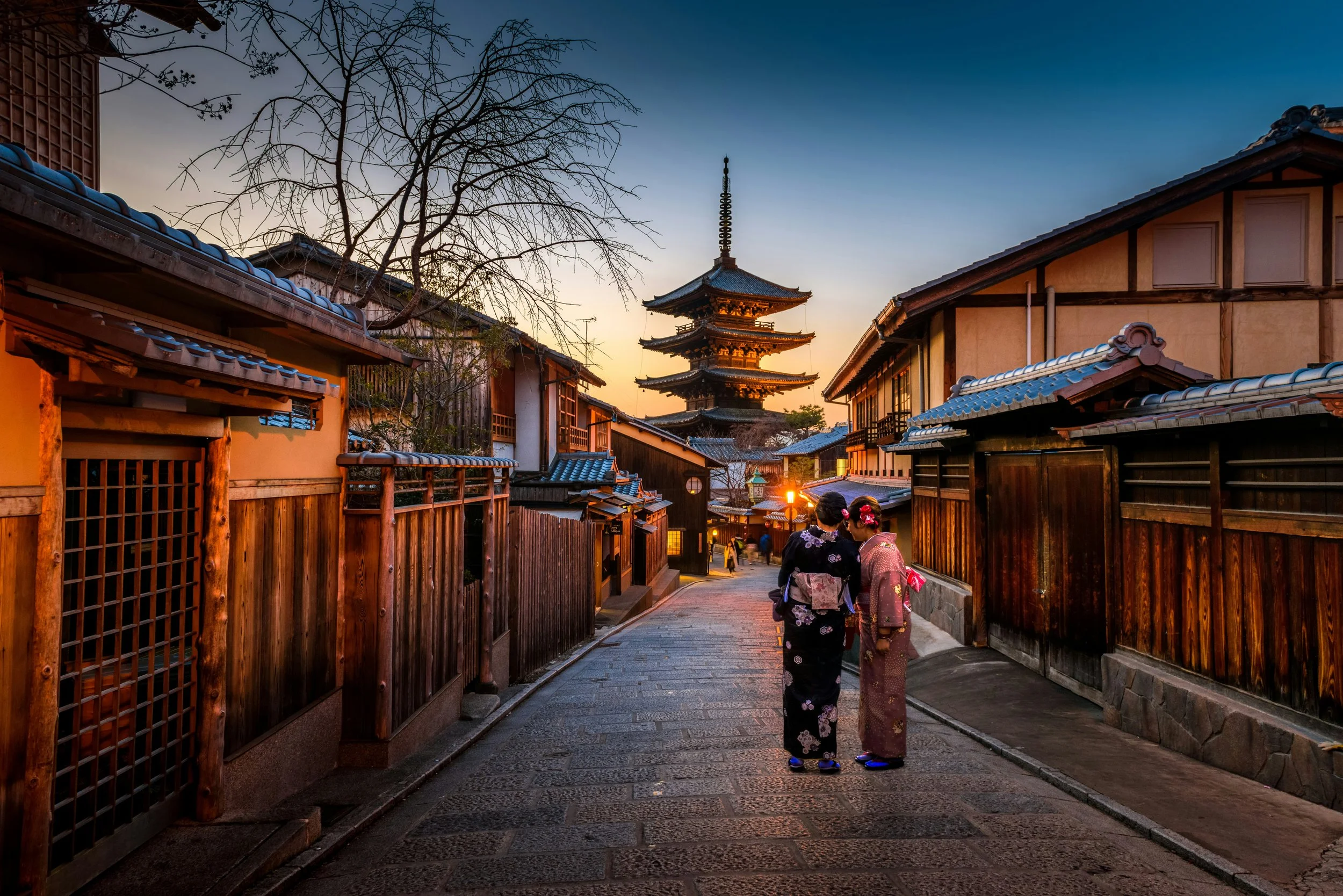
Kagurazaka in Tokyo — a hillside neighborhood of cobblestone alleys with an old-school geisha-district atmosphere, genuinely one of the city's best-kept foodie secrets, with everything from free sightseeing to splurge-worthy dinners packed into a compact, walkable area.
The Quieter Cherry Blossom Alternative
While Kyoto and Tokyo draw the crowds, Sayamaike Park near Osaka offers early-blooming blossoms reflected across Japan's oldest reservoir with a fraction of the visitors and an evening illumination festival that rivals anywhere more famous.
The Day Trip Locals Actually Recommend
Himeji Castle, about an hour from Osaka by Shinkansen, draws significantly smaller crowds than Kyoto or Tokyo while delivering one of Japan's most spectacular castle-and-blossom combinations hundreds of cherry trees surrounding an original, UNESCO-listed castle keep.
The Underrated Kyoto Garden
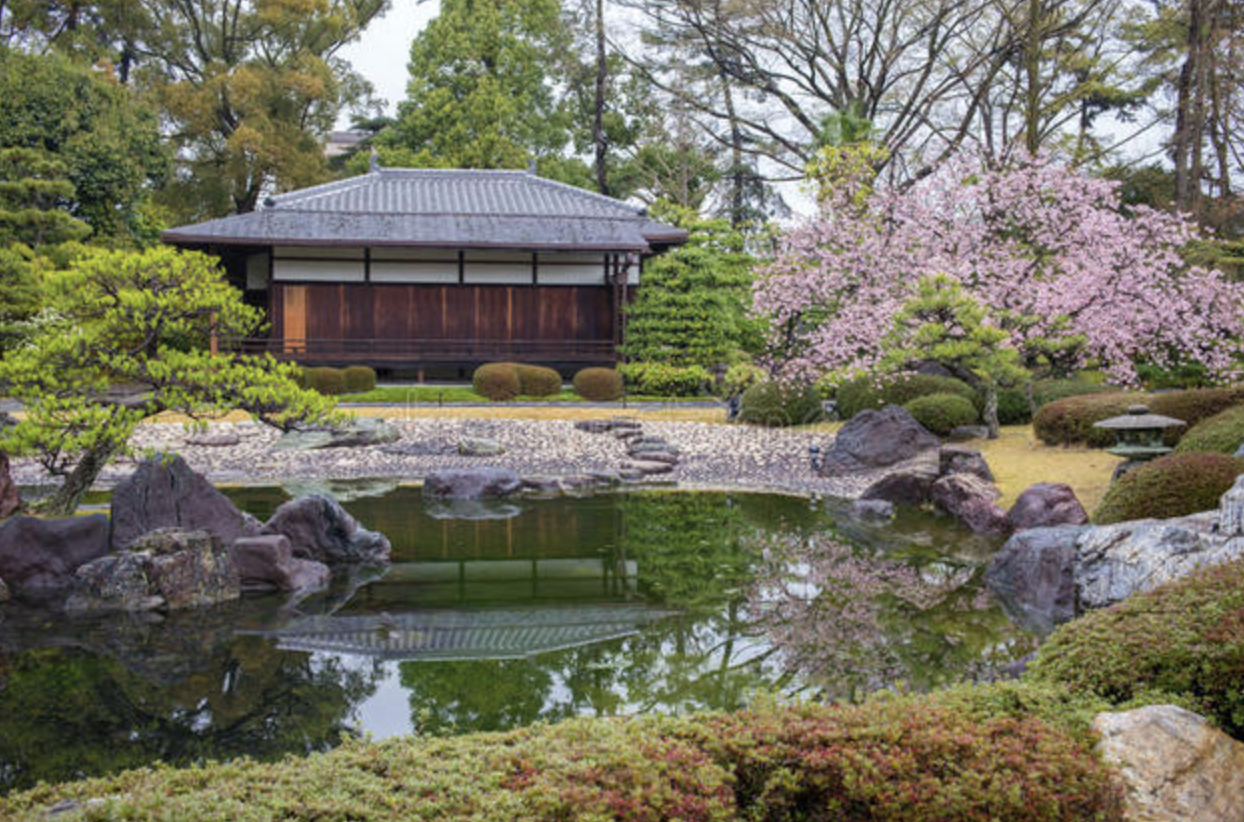
Nijo Castle's royal garden — 300 cherry trees across 50 varieties, with a sophisticated evening lighting system that transforms the black-and-gold castle architecture against the blossoms into one of the city's best (and less crowded) evening hanami experiences.
The Ritual Worth Building a Day Around
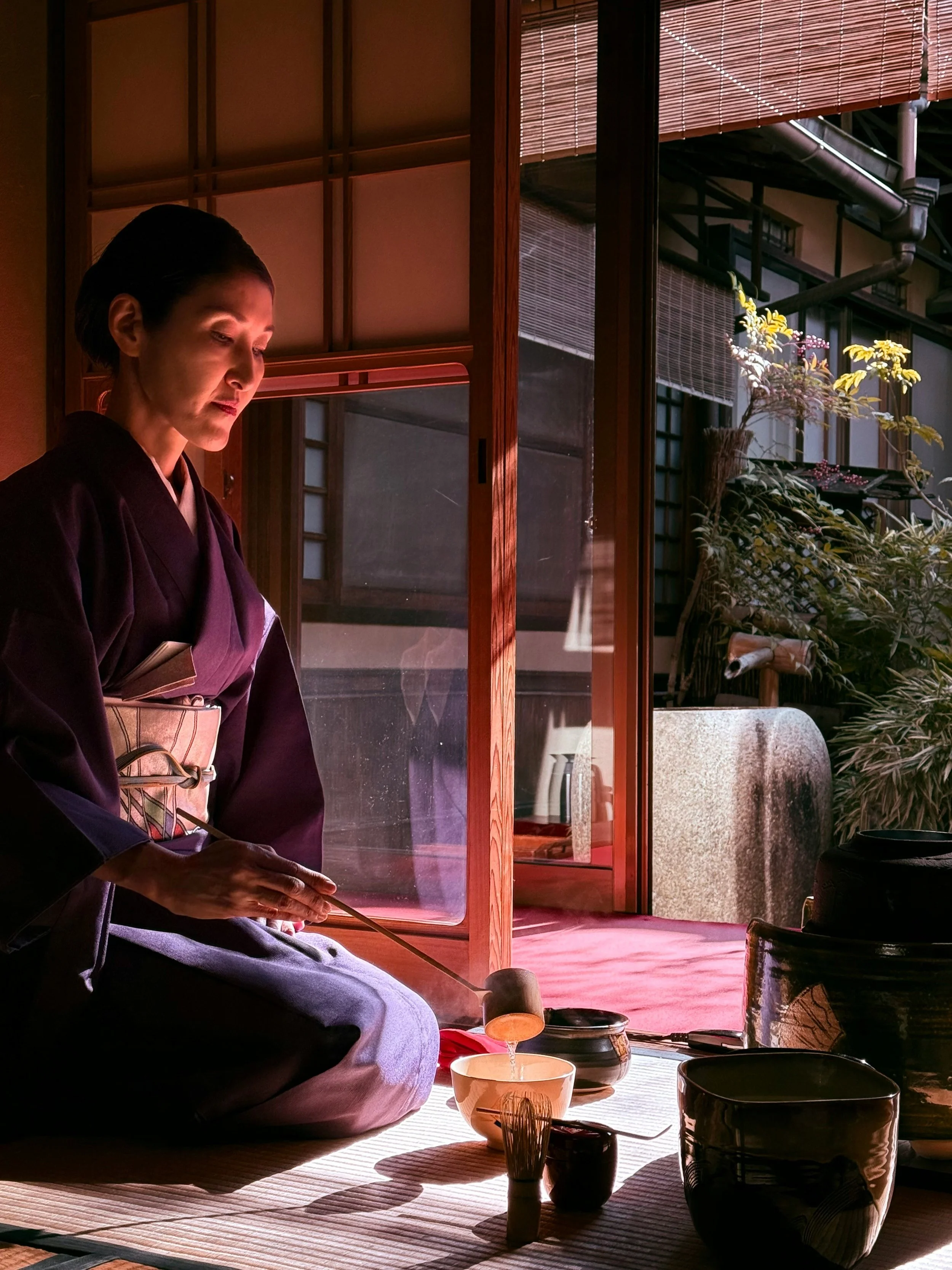
A proper Japanese tea ceremony, ideally in a Zen garden setting in Kyoto many ryokan and cultural centers offer these as bookable experiences, and it's one of the most meaningful, least rushed things you can do in the entire trip.
The Food Market Worth an Entire Morning
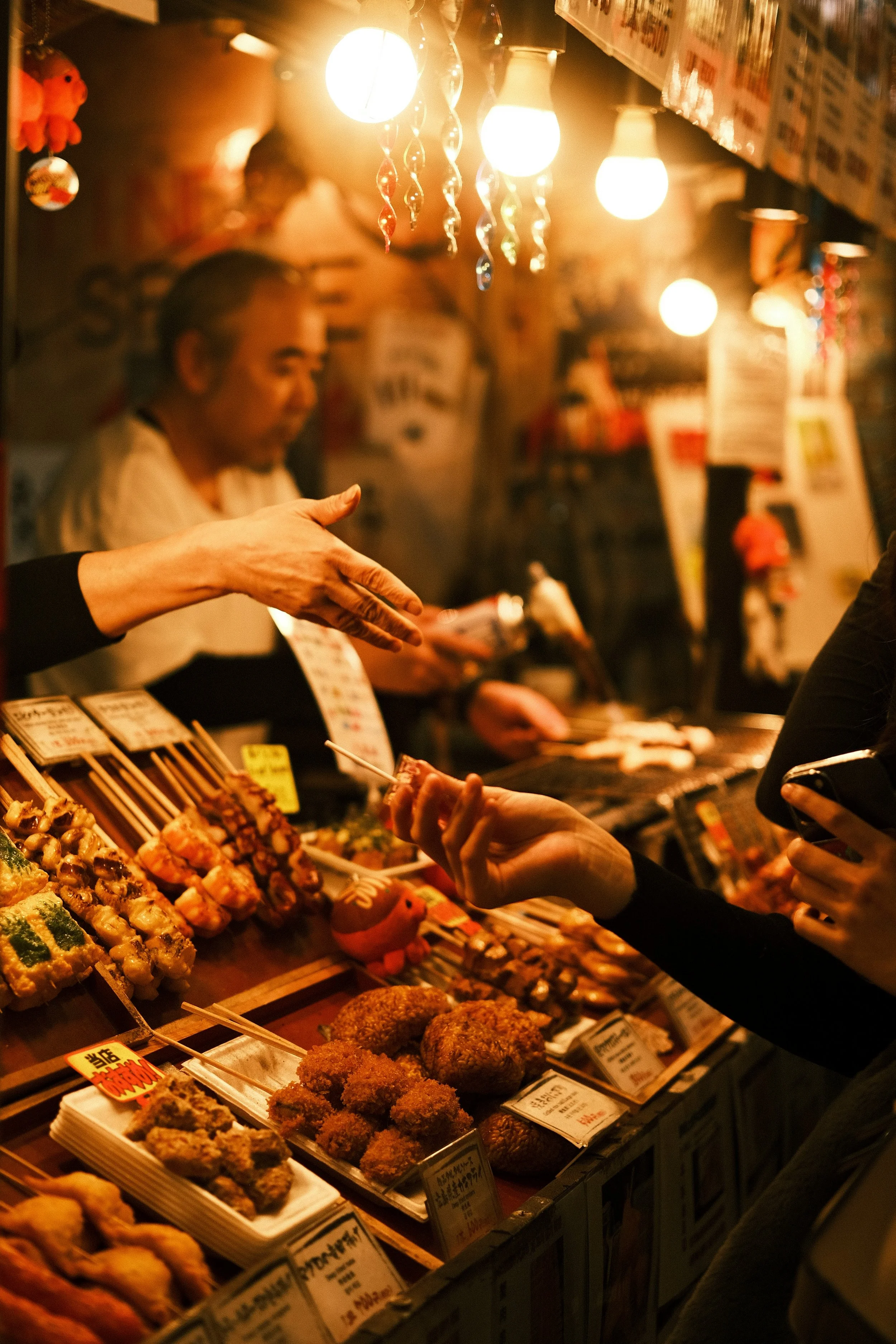
Nishiki Market in Kyoto — Kyoto's "kitchen," a covered market street of small vendors selling everything from fresh yuba (tofu skin) to skewered street food, ideal for a grazing-style breakfast or lunch between temple visits.
The Practical Layer for Exploring Days
On escalators: Tokyo and Kyoto stand on the left, walk on the right; Osaka reverses this. When in doubt, watch locals for a few seconds before stepping on.
On the unspoken cultural logic: much of Japanese public etiquette traces back to the concept of meiwaku — avoiding being a bother to others. It explains the quiet trains, the careful queues, and why eating on a shinkansen is fine (ekiben, the station bento, exist for this reason) while eating on a local commuter train is not.
On reading "no": if a shopkeeper or restaurant says something is "a little difficult" (chotto muzukashii), that's a polite no pushing further doesn't help and can create discomfort on both sides.
On the IC card: get one at the airport on arrival (Suica, Pasmo, or a Welcome Suica) it covers trains, buses, convenience stores, and vending machines nationwide, and remains the single most useful piece of trip logistics you'll set up.
Where to Eat & Drink
Japan is, without argument, the most Michelin-decorated dining city on Earth, Tokyo alone holds 12 three-star, 26 two-star, and 122 one-star restaurants, a title it's held for nineteen consecutive years.
Tokyo's Essential Tables
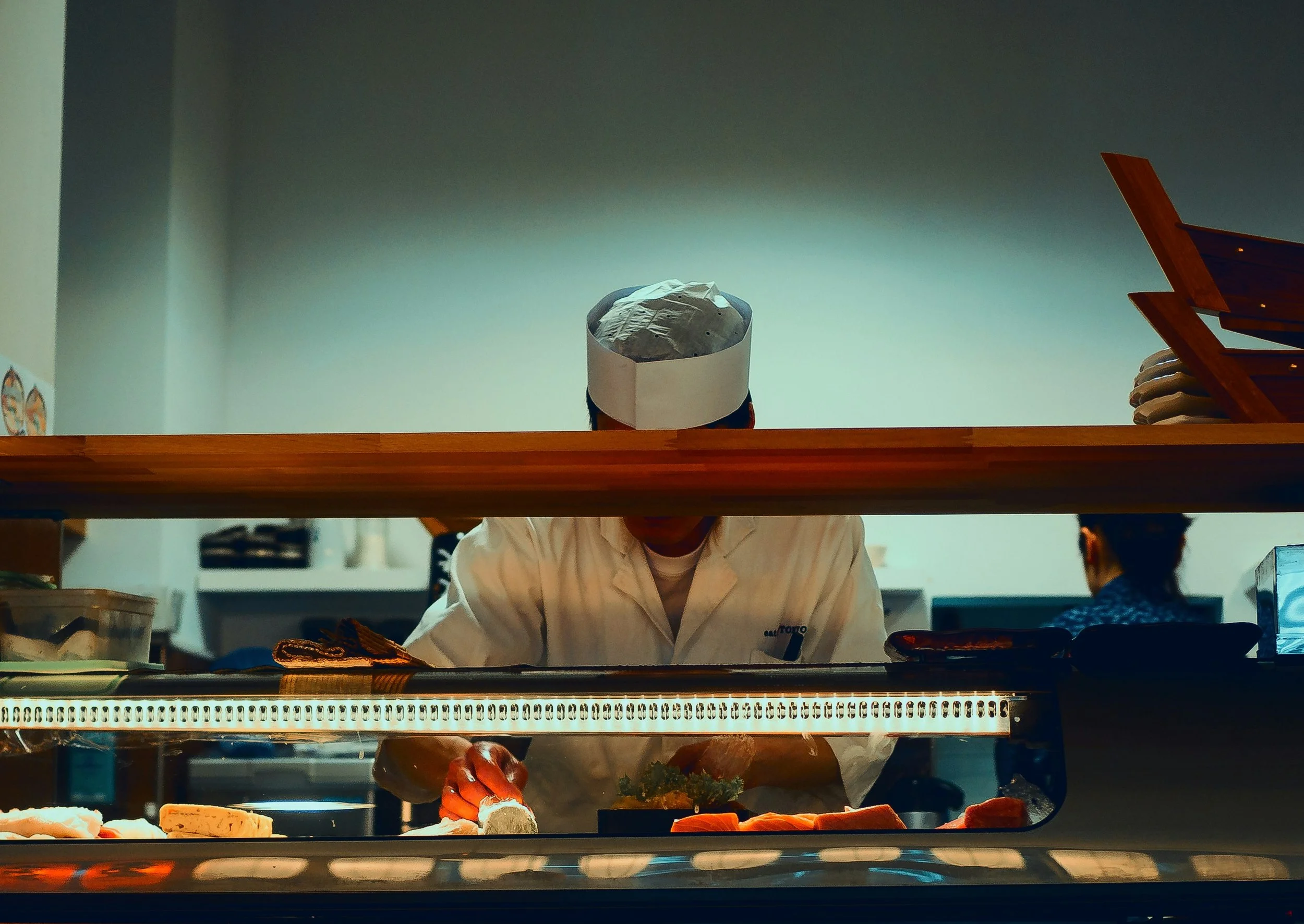
Sushi Saitō — an eight-seat Roppongi counter widely treated as unambiguously three-star quality, running an Edomae omakase of roughly twenty pieces with the strictest traditional discipline. Booking requires an introduction.
Ryūgin — Chef Seiji Yamamoto's three-Michelin-star modern kaiseki, overlooking the Imperial Gardens from the Hibiya Midtown tower. Widely considered the most technically rigorous Japanese fine dining in the city, and usefully for a first Tokyo visit genuinely bookable, unlike some of the more insider-only counters.
Nishiazabu Sushi Shin — promoted to two Michelin stars in the 2026 guide, an eight-seat counter open to international guests, running Edomae omakase around ¥35,000. Frequently cited as the smartest top-tier sushi reservation for a first-time visitor.
A genuinely useful tip: Michelin-starred Tokyo restaurants frequently charge 40–60% less for lunch than dinner.. identical cooking, identical counter, a fraction of the price.
Kyoto's Essential Tables
Wagokoro Izumi — a machiya-townhouse kaiseki restaurant near Shijo Station with a pristine white-wood counter overlooking a traditional courtyard garden, showcasing Kyoto-style dashi-forward cooking that draws out each ingredient's natural flavor.
Tempura Mizuki at The Ritz-Carlton Kyoto — Michelin-starred, and one of the more accessible fine-dining bookings for hotel guests.
The Everyday Magic
Don't overlook Japan's astonishing quality at every price point: a ¥1,200 bowl of ramen rivals an $18 bowl of noodles in New York; conveyor-belt sushi in Kyoto can be genuinely excellent for ¥3,000–5,000 for two. Seek out Nishiki Market in Kyoto for a walking food tour, and Tokyo's Omoide Yokocho in Shinjuku for tiny, atmospheric yakitori counters.
Sakura Season: Where to See the Blossoms
Tokyo
Shinjuku Gyoen — over 1,000 trees across 65+ varieties, extending the viewing window longer than anywhere else in the city thanks to early and late-blooming cultivars. ¥500 entry; alcohol prohibited, which keeps the atmosphere calm and family-friendly.
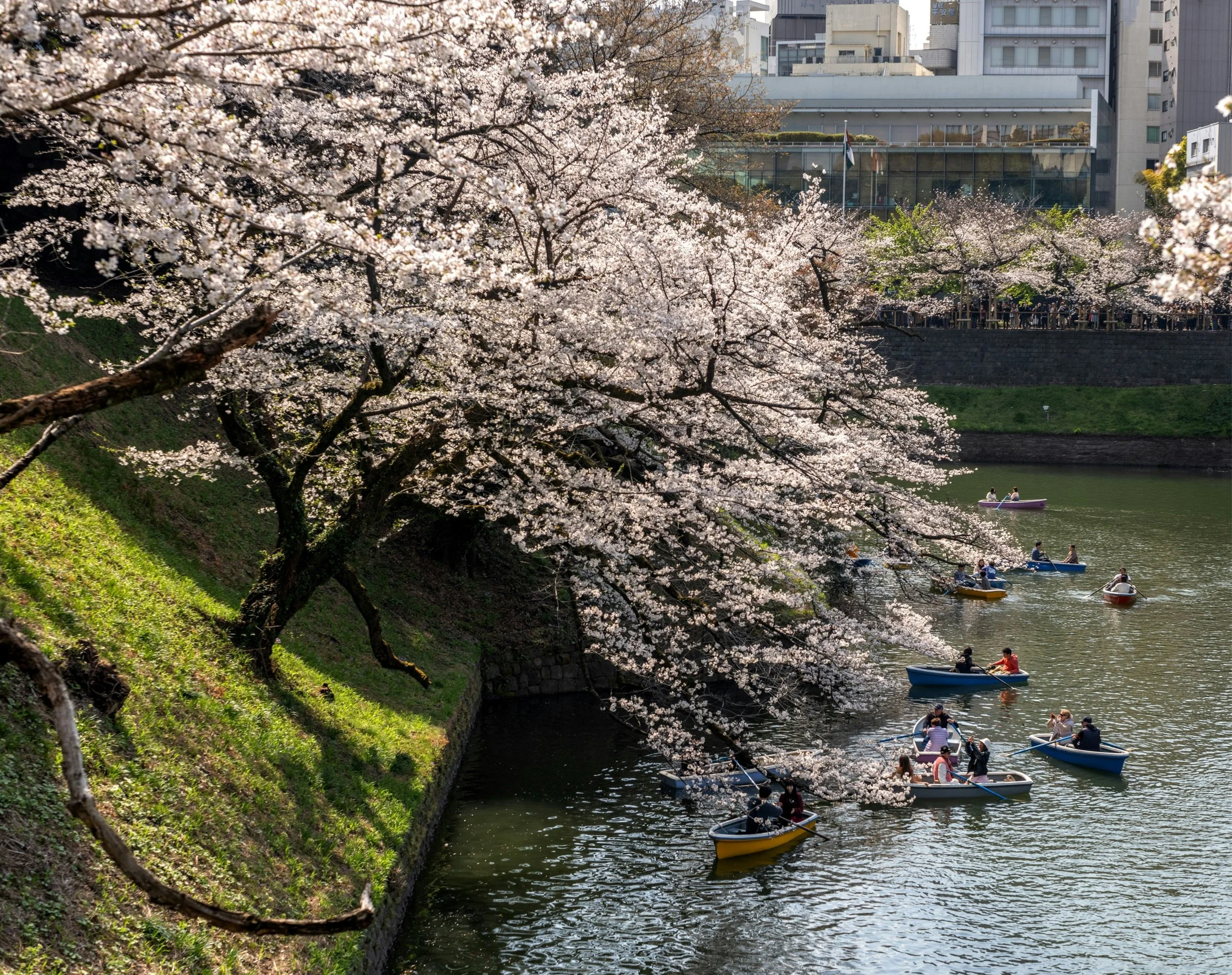
Chidorigafuchi — the moat along the Imperial Palace's northwest edge, with rowboat rentals offering one of Tokyo's most romantic hanami experiences from the water.
Nakameguro Canal — over 800 cherry trees lining a genuinely stylish neighborhood; come in the evening when lanterns light up and cafés spill onto the banks.
Kyoto
The Philosopher's Path — a 2km stone canal-side walkway connecting Ginkaku-ji and Nanzen-ji, lined with cherry trees, best paired with an early-morning start before the crowds.
Maruyama Park — Kyoto's most popular hanami spot, centered on a famous illuminated weeping cherry tree, with genuine local festival energy.
Arashiyama, especially the Togetsukyo Bridge — cherry blossoms framed against forested hills and the Katsura River; beautiful and slightly less crowded than central Kyoto, especially early morning.
Ninna-ji Temple — home to the late-blooming Omuro Zakura, the reliable backup plan for later arrivals.
The Hanami Etiquette
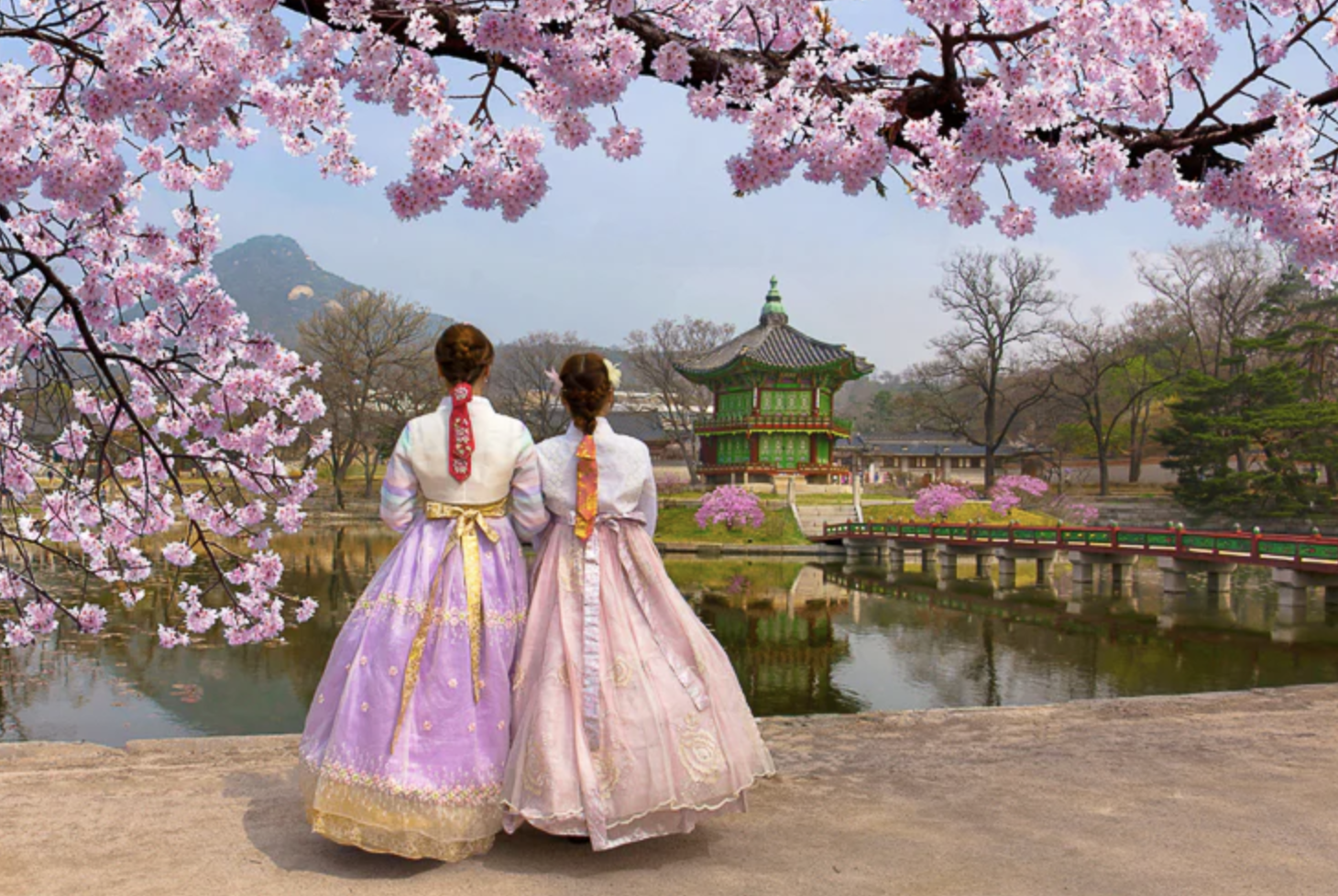
Hanami (flower viewing) is a 1,300-year-old tradition — bring a blanket, arrive early for a good spot at the popular locations (before 8am at Shinjuku Gyoen, before 6am at Ueno Park), and remember that some gardens (Shinjuku Gyoen included) prohibit alcohol, while public parks generally allow the full picnic-and-sake hanami party experience.
