
Your Complete Guide to Tokyo & Kyoto in Cherry Blossom Season
The Poshworthy Passport — April Destination of the Month
This is the bucket-list month. After three destinations built around reset, romance, and reinvention, April is the one that requires the most planning, the most patience, and pays off the most spectacularly: Japan, timed to the most fleeting, most photographed natural event in travel sakura, the cherry blossom.
Tokyo and Kyoto together give you the full range of what makes Japan extraordinary: hyper-modern skylines and centuries-old temples, Michelin-starred sushi counters and quiet moss gardens, neon and stillness, sometimes within the same afternoon. This is the trip that changes how you see travel itself.
An important timing note before anything else: cherry blossom bloom dates shift every year and are notoriously precise in their brevity, full bloom typically lasts just three to seven days per location. In 2026, the season is running early. Tokyo is forecast to reach full bloom around March 26–28, and Kyoto around April 1. That means a trip planned for the middle or end of April risks missing peak bloom entirely in both cities. This guide is built around the real sweet spot — and around what to do if your dates don't line up.
Why Japan Is a Poshworthy Pick
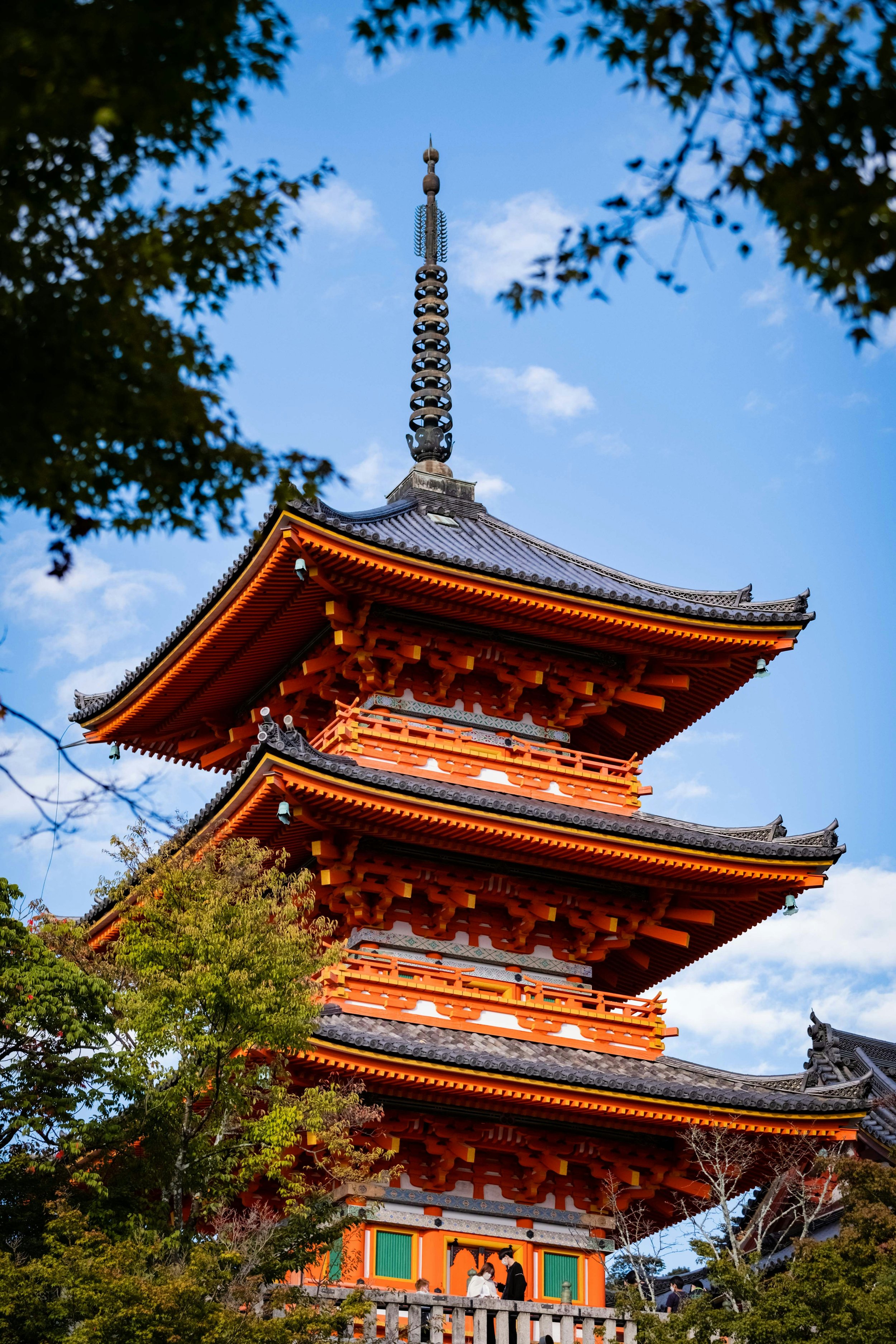
Tokyo and Kyoto are, in many ways, opposites making a perfect pair. Tokyo is scale, speed, and reinvention.. a city that seems to redesign itself every few years while still running on trains that arrive to the minute. Kyoto is the country's soul held in careful stillness — a thousand years of temples, gardens, and ritual, deliberately unhurried.
What makes this a Poshworthy pick specifically: this is a trip that rewards precision. Booking early, moving intentionally, understanding the culture's unspoken rules… all of it makes the difference between a good Japan trip and a transcendent one. For a woman who plans her career and her life with intention, this is a destination that meets her halfway.
Who This Trip Is Perfect For
The bucket-list milestone trip — a 40th birthday, a "the promotion finally happened" celebration, a trip earned over years of ambition.
The design- and culture-obsessed traveler — architecture, craftsmanship, and food culture layered into every single day.
A quieter kind of girls' trip — less party energy, more shared awe; ideal for a duo or trio who want to be moved by a place together.
The solo traveler seeking total immersion — Japan is exceptionally safe, orderly, and welcoming for solo women, with an efficiency that makes independent navigation genuinely manageable.
The honeymoon with substance — for couples who want their trip to be an experience, not just a backdrop.
The Essentials at a Glance
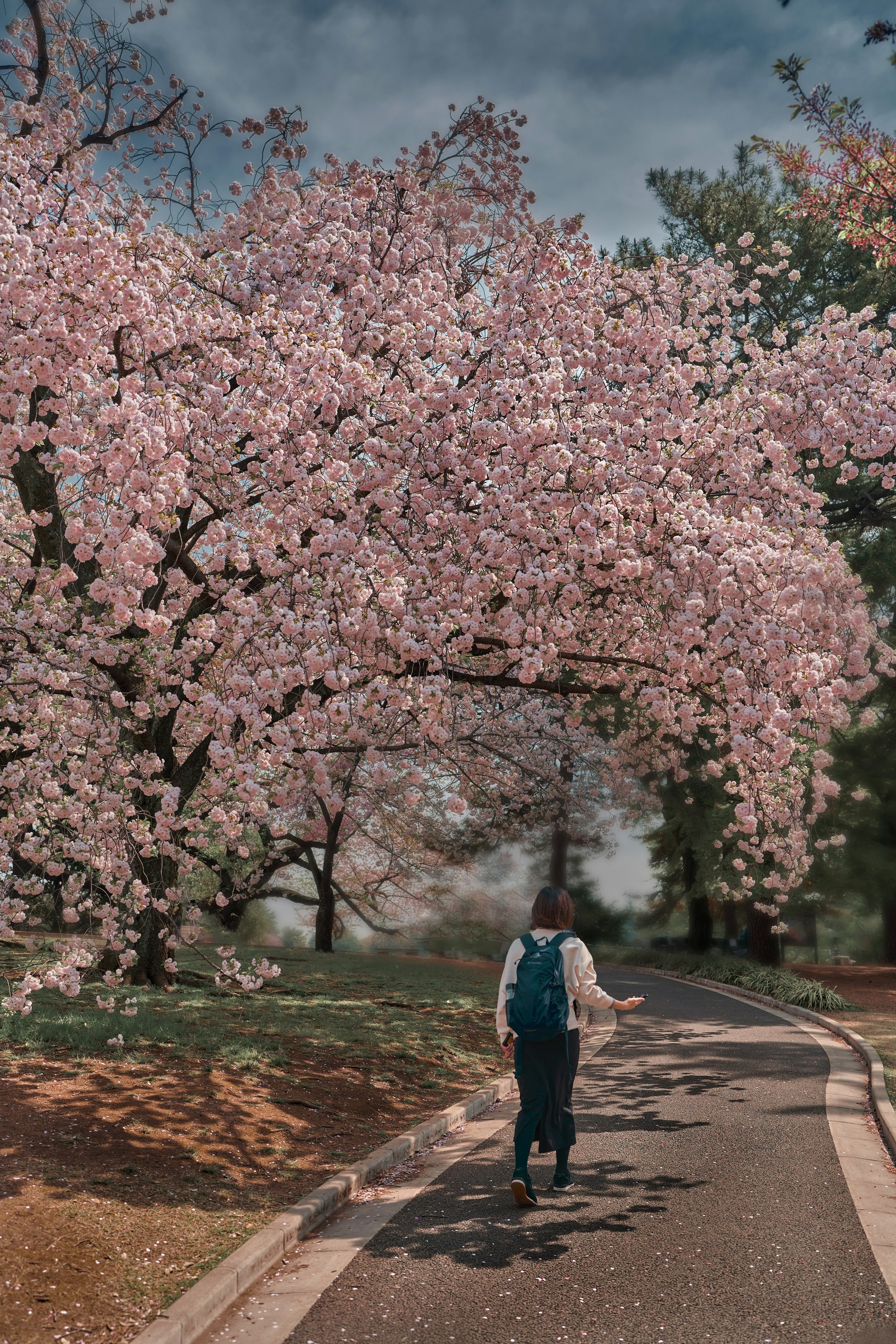
Best time to visit for cherry blossoms: The historical sweet spot for Tokyo and Kyoto together is late March through the first week of April — this is when Tokyo's blossoms are typically at or just past peak and Kyoto's are reaching theirs, since Kyoto tends to bloom about a week behind Tokyo. 2026 specifically is running early, with Tokyo's full bloom forecast around March 26–28 and Kyoto's around April 1. Bloom dates shift by up to a week or two year to year based on winter temperatures, so always check the current-year Japan Meteorological Corporation forecast 4–6 weeks before booking, and build a few flexible buffer days into any cherry-blossom-focused itinerary.
If your dates land later in April: don't panic — you have real options. Shinjuku Gyoen in Tokyo has over 1,000 trees across more than a dozen varieties, including late-blooming cultivars that extend its season well beyond the main citywide peak. In Kyoto, Ninna-ji Temple is home to the late-blooming Omuro Zakura, a dwarf variety that flowers a week or two after the main season specifically for travelers who miss the peak elsewhere. And if you can extend into the mountains or north, the bloom front moves steadily later — the Japanese Alps and Tohoku bloom mid-to-late April, and Hokkaido not until late April into May.
Weather: Late March brings around 15°C (59°F) days; early April warms to a pleasant 16–18°C (61–64°F), with occasional spring rain. Pack light layers and a compact umbrella or light raincoat.
Getting there: Tokyo is served by Narita (60–90 minutes from central Tokyo via Narita Express) and Haneda (20–30 minutes from the city center, increasingly the preferred international gateway). Kansai International Airport serves Kyoto and Osaka. From the US West Coast, direct flights run around 10–11 hours; from the East Coast, plan on 13–14 hours or a connection. From the UK, roughly 11–12 hours direct.
Currency: The Japanese Yen (¥). Japan has become significantly more card-friendly, but small restaurants, temples, older ryokan, and rural spots still favor cash — carry ¥10,000–20,000 as a working buffer, and use 7-Eleven or Japan Post ATMs, which reliably accept foreign cards.
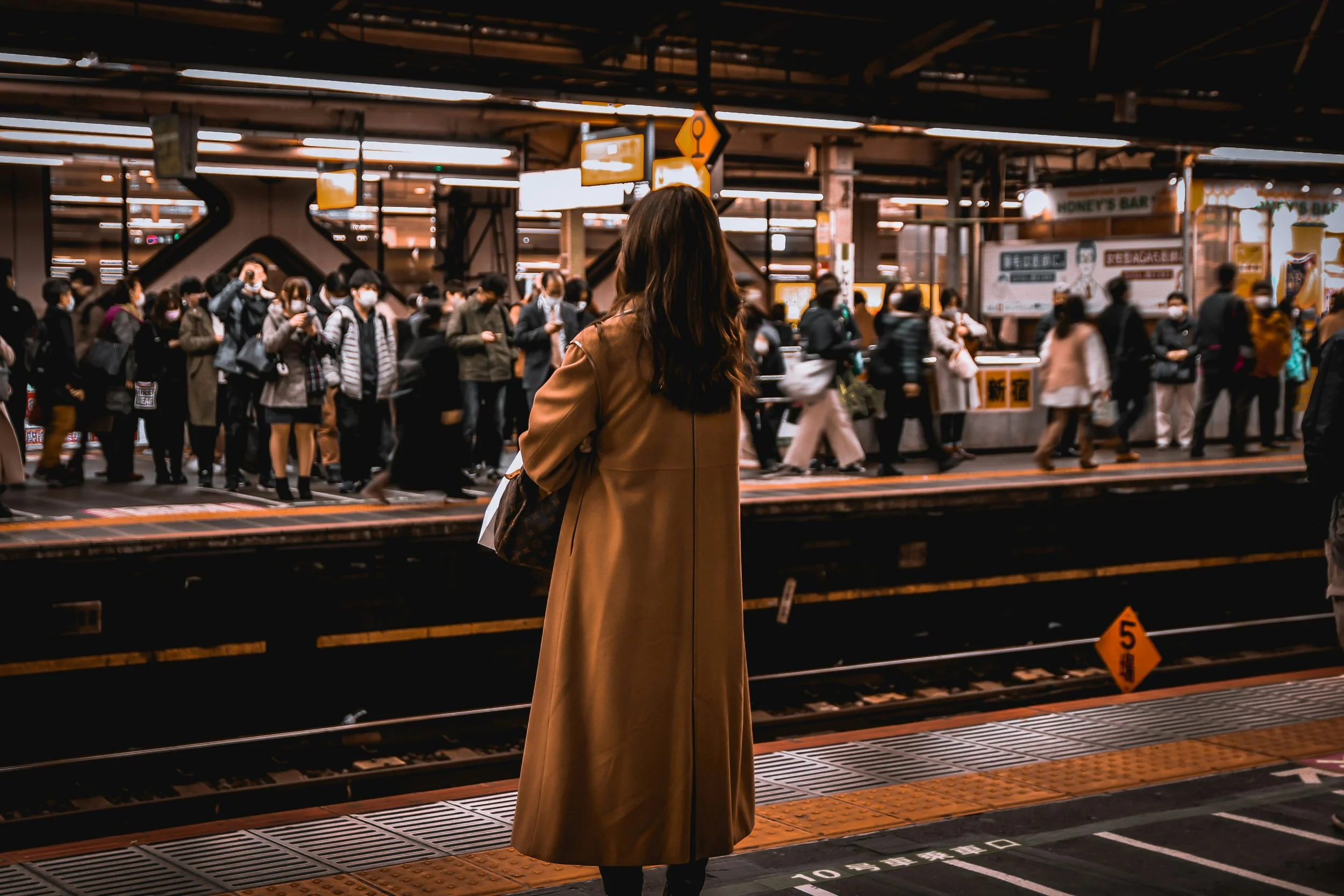
Getting around: Get an IC card (Suica, Pasmo, or the tourist-friendly Welcome Suica) the moment you land.. it works across trains, subways, buses, and convenience stores nationwide. For the Tokyo–Kyoto leg specifically, price individual Shinkansen tickets against a Japan Rail Pass before buying: the pass often doesn't pay off unless you're covering significant additional ground (Hiroshima, Nara, multiple long-distance legs). A one-way reserved Shinkansen ticket from Tokyo to Kyoto runs around ¥13,870 and takes about 2 hours 15 minutes.
A genuinely important etiquette note: Japan does not tip. Not at restaurants, not for taxis, not for hotel staff. Excellent service is the cultural standard, not something rewarded separately attempting to tip can cause real confusion. This is one of the easiest, most pleasant adjustments in the entire trip.
Ideal trip length: Seven to ten nights split roughly evenly between Tokyo and Kyoto, with an optional day trip to Nara.
